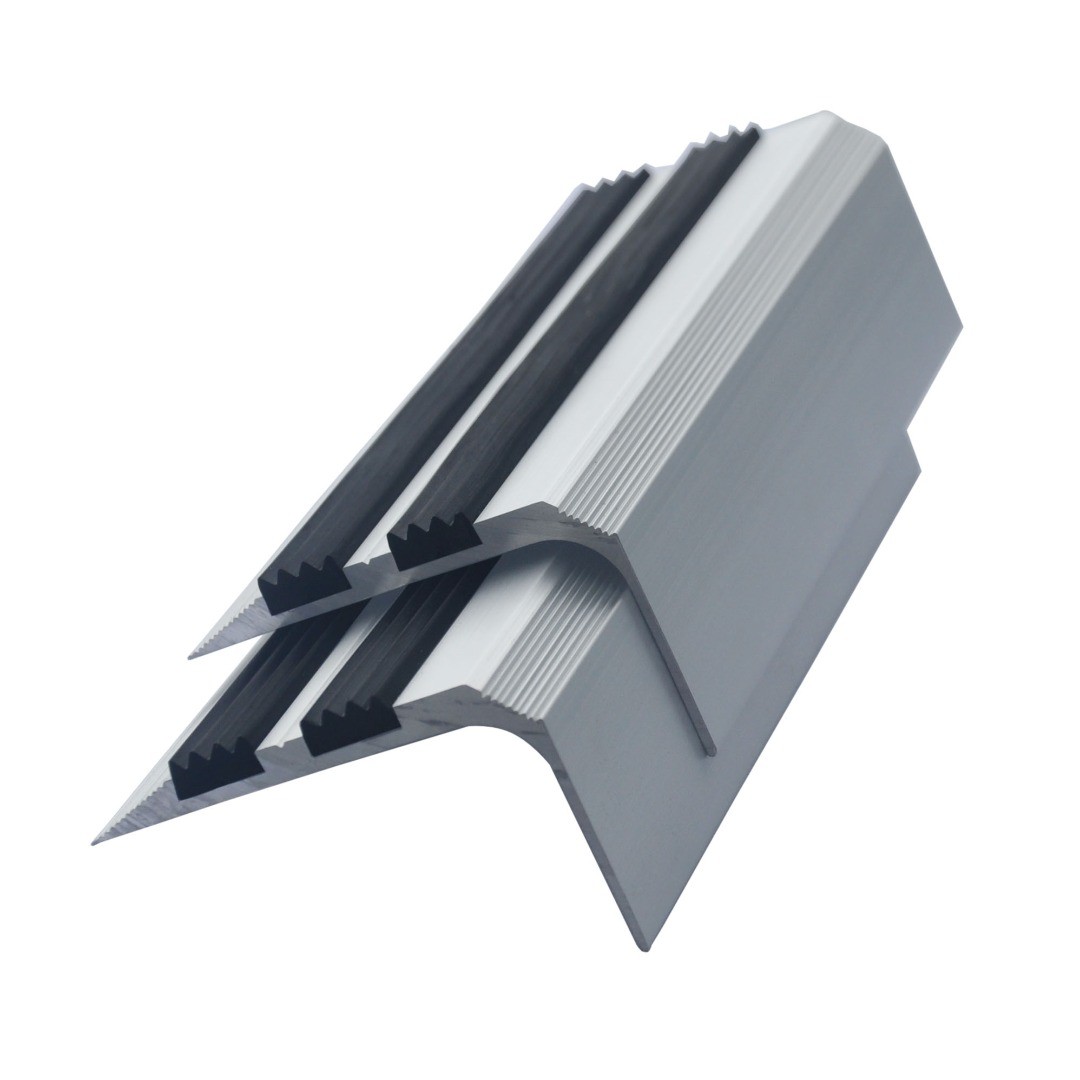
The Maintenance of Aluminum Stair Nosings with Rubber Insert
How to maintain aluminum stair nosings with rubber inserts for optimal performance and longevity, including cleaning, inspection, and proper installation.
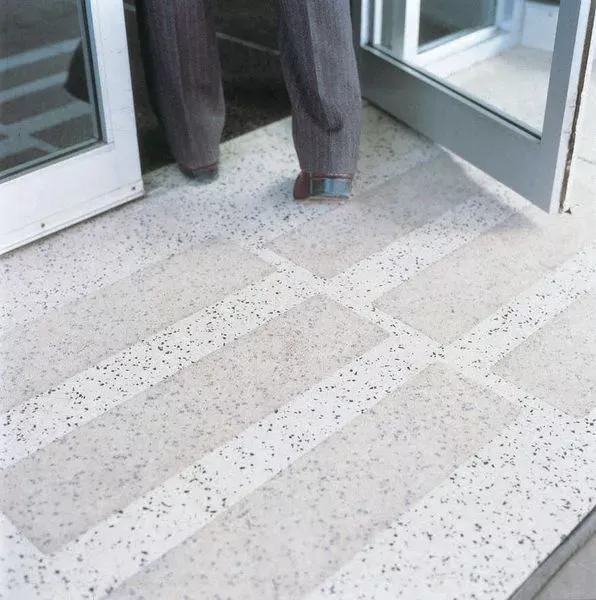
Anti-Slip Tape vs. Other Safety Solutions
Anti-Slip Tape vs. Other Safety Solutions, like non-slip flooring, safety mats, and non-slip coatings, highlighting advantages, disadvantages, and suitability.
How to Curve Stair Nosings for Radius Staircases
When installing flooring on a curved or “radius” staircase, you may quickly realize that most stair nosings can’t be curved on site. This is because many flooring accessories are made from rigid materials like metal or hard plastic, which makes them inflexible and difficult to curve.
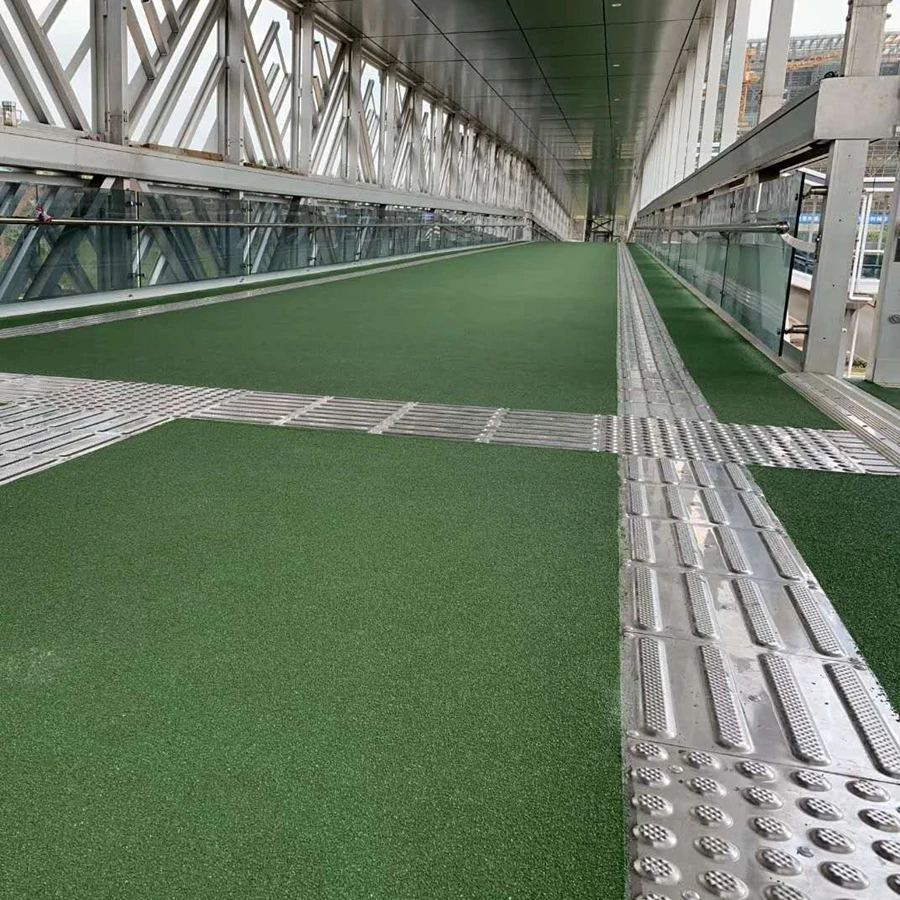
Industry Standards and Compliance of Tactile Indicators
Compliance with tactile indicators standards is not only a legal requirement but also a commitment to providing safe, reliable, and accessible public spaces.
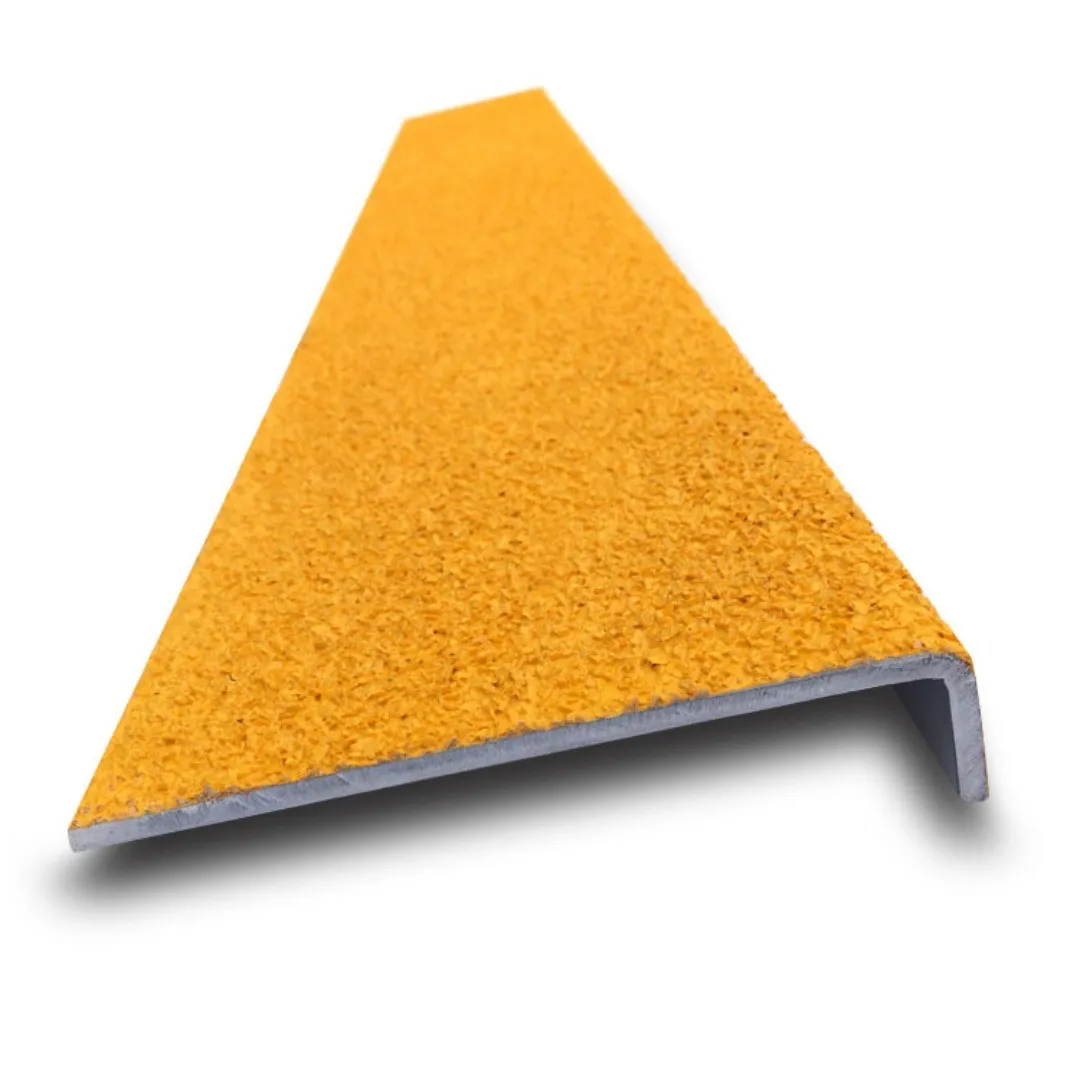
Anti-Slip Metal Strips in Public Spaces
Anti-Slip Metal Strips in Public Spaces: enhance safety in public spaces by providing a secure walking surface, reducing the risk of slips and falls.
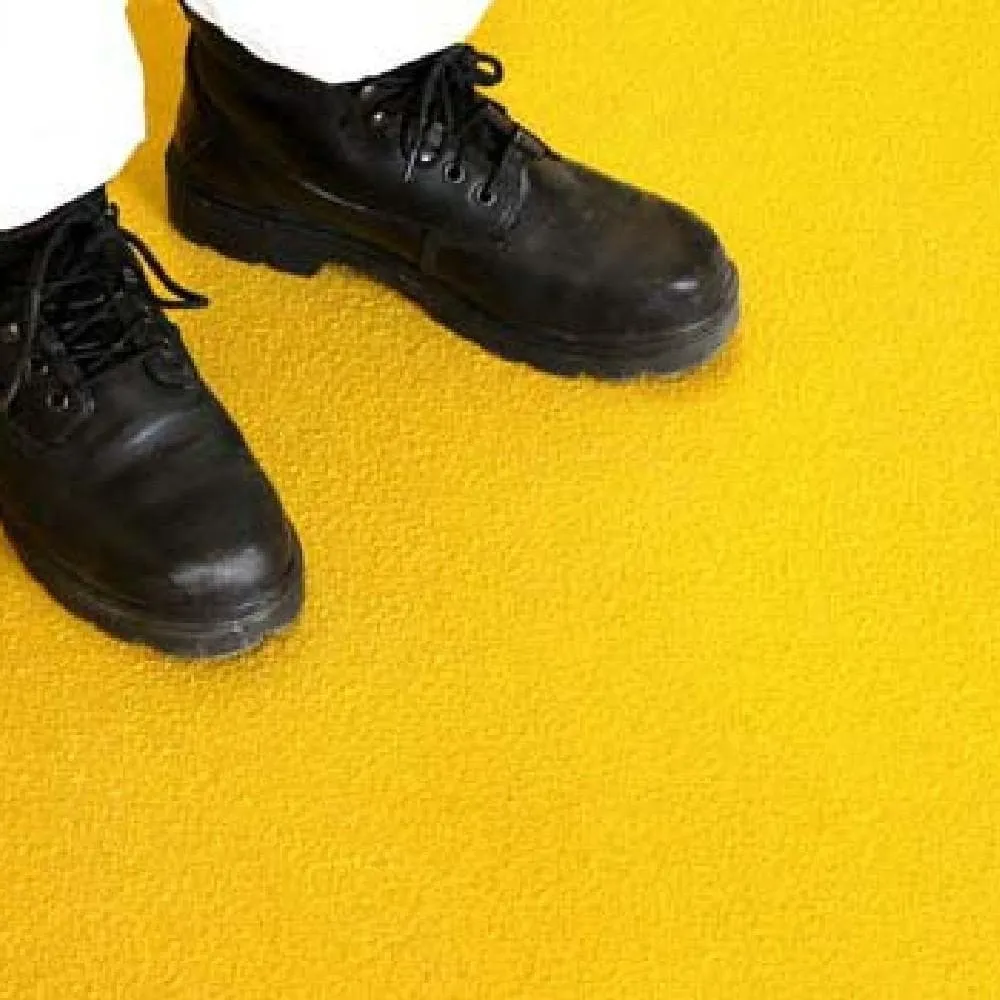
The Applications of FRP Stair Nosings
The Applications of FRP Stair Nosings, from commercial buildings to marine structures, highlighting their versatility and suitability for various industries.
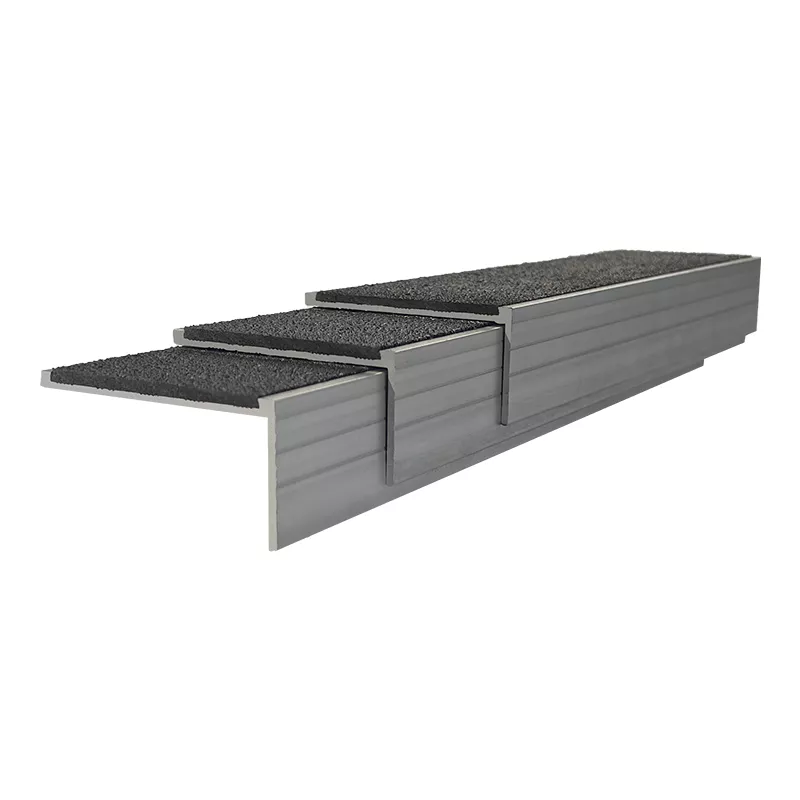
How to Keep Your Stair Nosings in Top Shape
Stair nosings are a vital component of any staircase, providing both a decorative touch and a critical safety feature. They protect the edges of the stairs from wear and tear while also enhancing traction to prevent slips. If you’ve invested in stair nosings, you’ll want to make sure they last as long as possible. Here’s how you can keep your stair nosings in top shape.
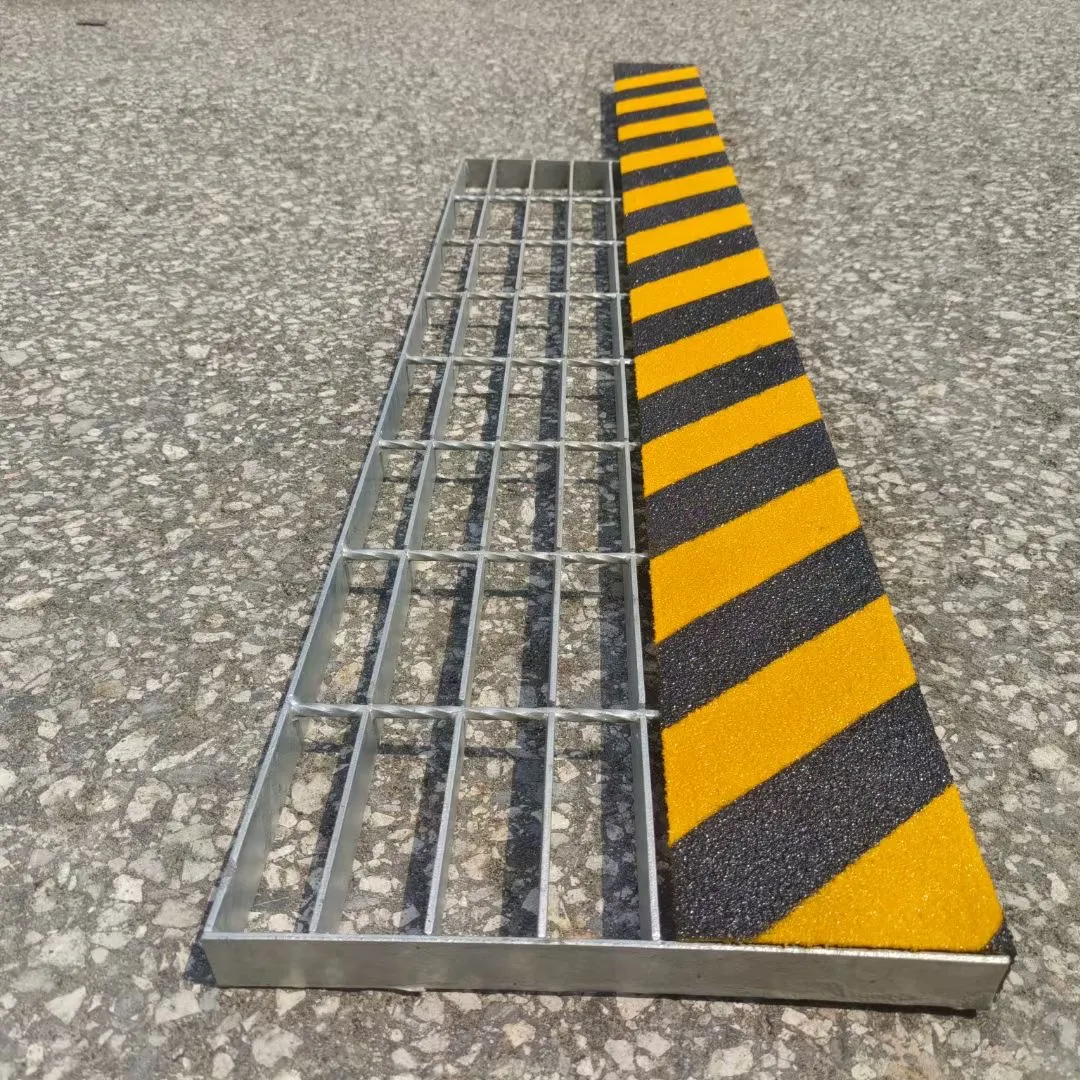
The Top Projects Featuring FRP Stair Nosings
The Future of FRP Stair Nosings: advancements in sustainability, smart technology integration, aesthetics, and manufacturing processes will shape the industry.
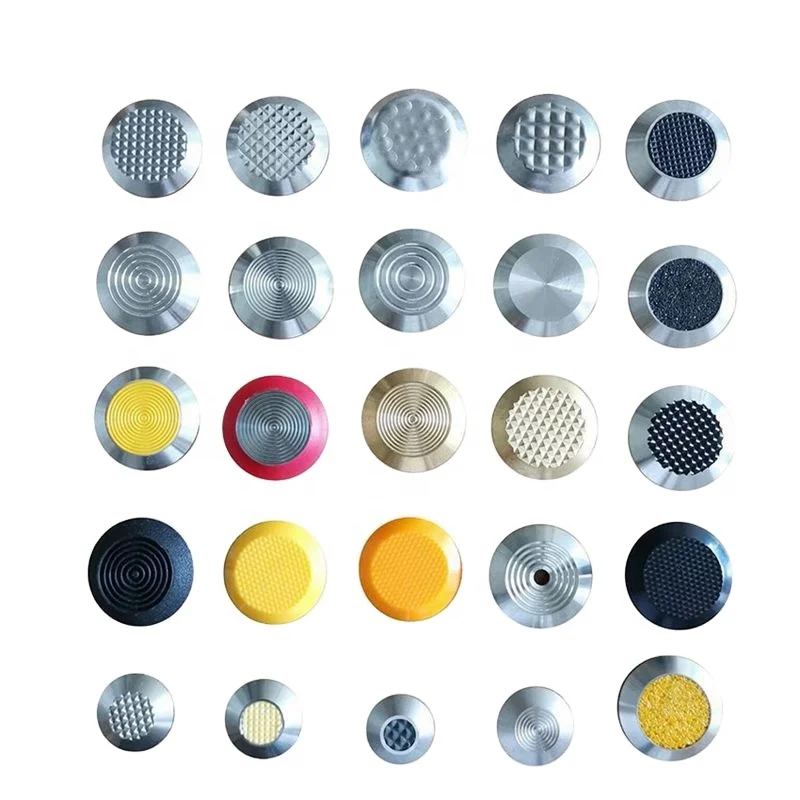
The Primary Function of Tactile Indicators in Urban Environments
Tactile indicators play a key role in urban environments by providing navigational guidance and warnings designed for individuals who are blind or low vision.
The Best Practices for Integrating Tactile Indicators into Urban Design
Integrating tactile indicators into urban planning and design is crucial for enhancing accessibility for individuals with vision impairments.
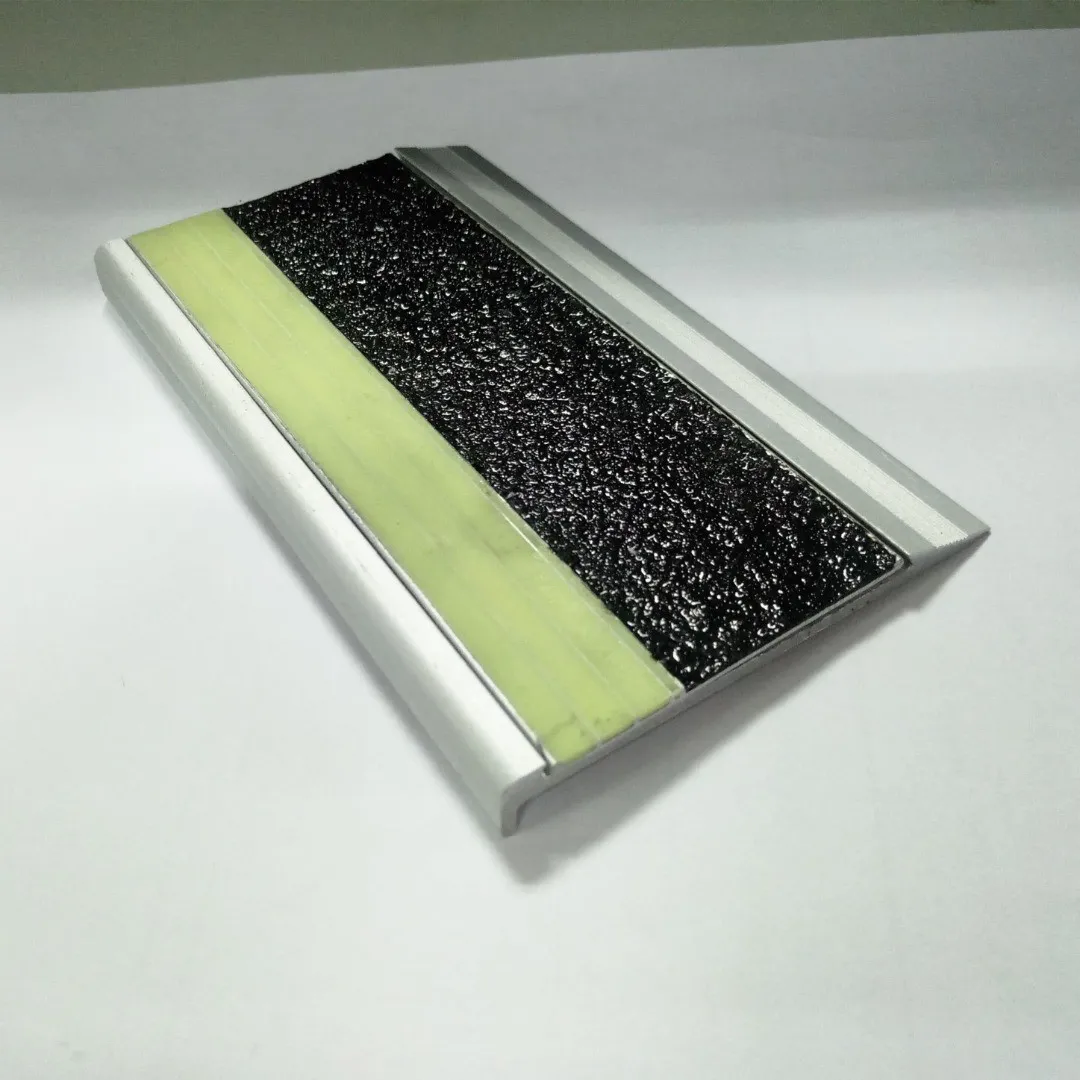
Photoluminescent Stair Nosing VS Traditional Stair Nosing
Photoluminescent Stair Nosing VS Traditional Stair Nosing: Discover its benefits, making it a top choice for enhancing staircase safety and design.
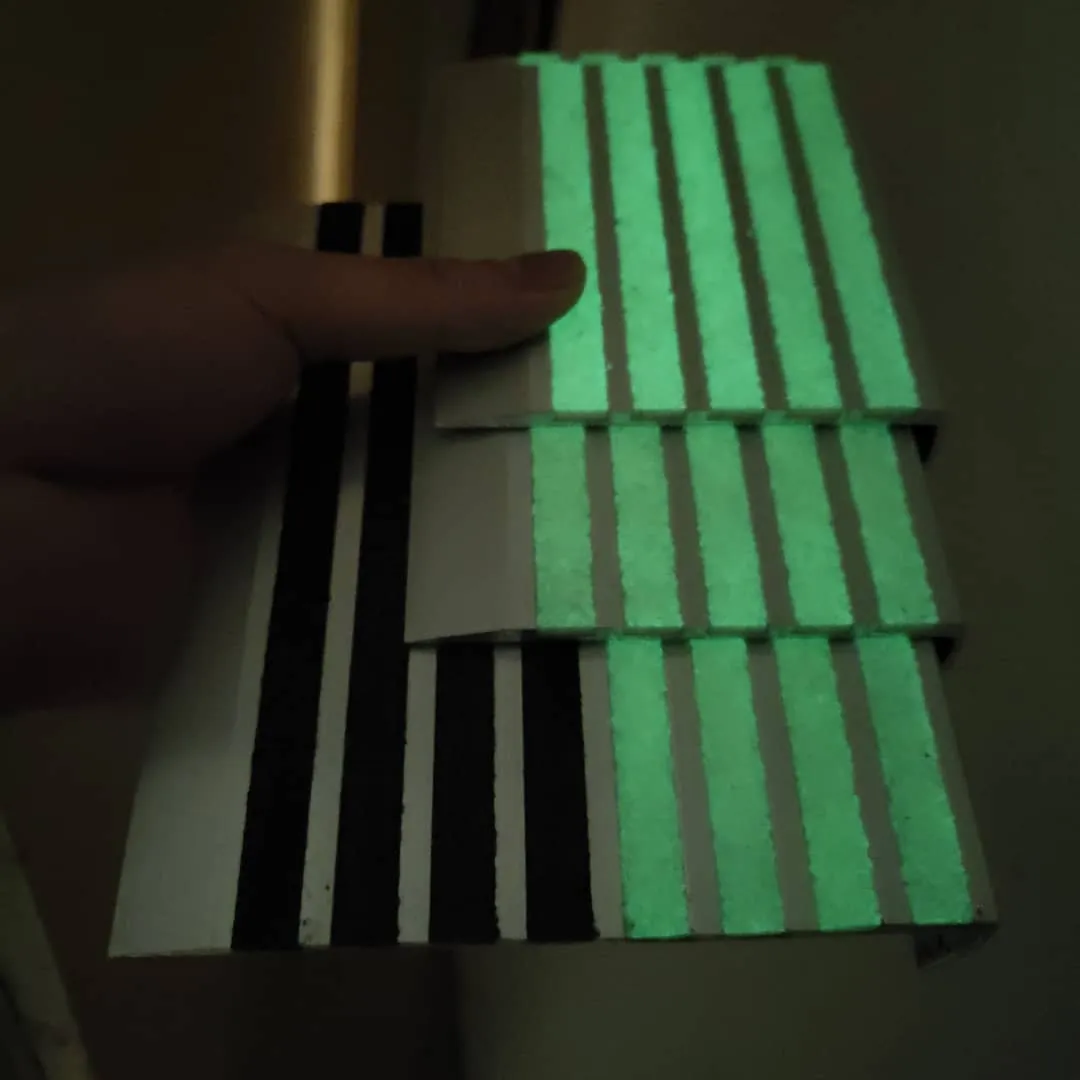
The History of Photoluminescent Stair Nosing
Explore the history of Photoluminescent Stair Nosing, from early phosphorescent materials to modern safety features. Learn about its development.
Success Stories of Anti-Slip Metal Strips
Success Stories of Anti-Slip Metal Strips: their effectiveness in construction, food and beverage, healthcare, and so on, in creating safer environments.
The Benefits of Custom Aluminum Stair Nosings: Enhancing Safety and Aesthetics in Your Home
Enhance safety and aesthetics in your home with custom aluminum stair nosings. Discover the benefits of customizable stair nosings tailored to your needs.
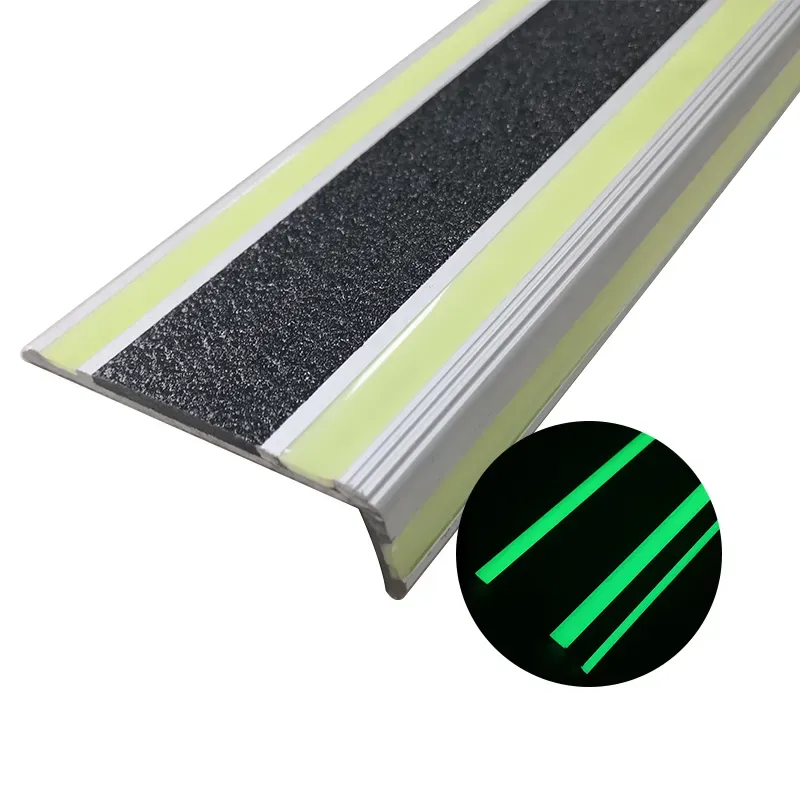
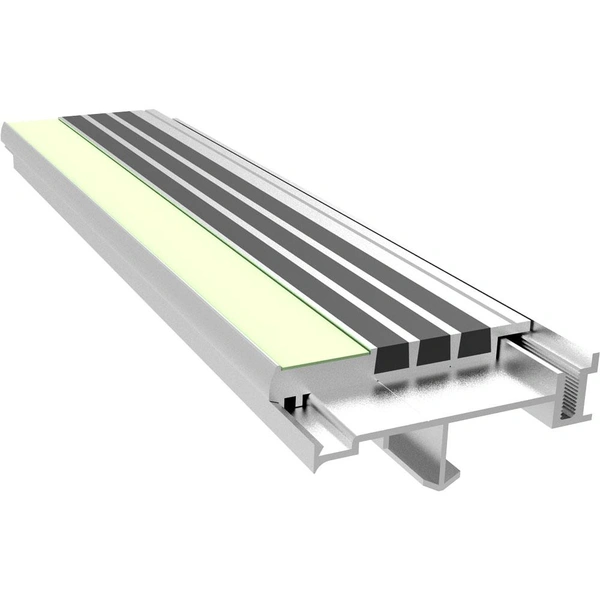
The Installation Process of Photoluminescent Stair Nosing
The Installation Process of Photoluminescent Stair Nosing: Learn accurate measurements, surface preparation, and testing methods for effective installation.
How to Choose the Aluminum Stair Nosing with Rubber Insert
Learn how to choose the right aluminum stair nosing with rubber insert by considering factors like purpose, thickness, width, finish, and installation.
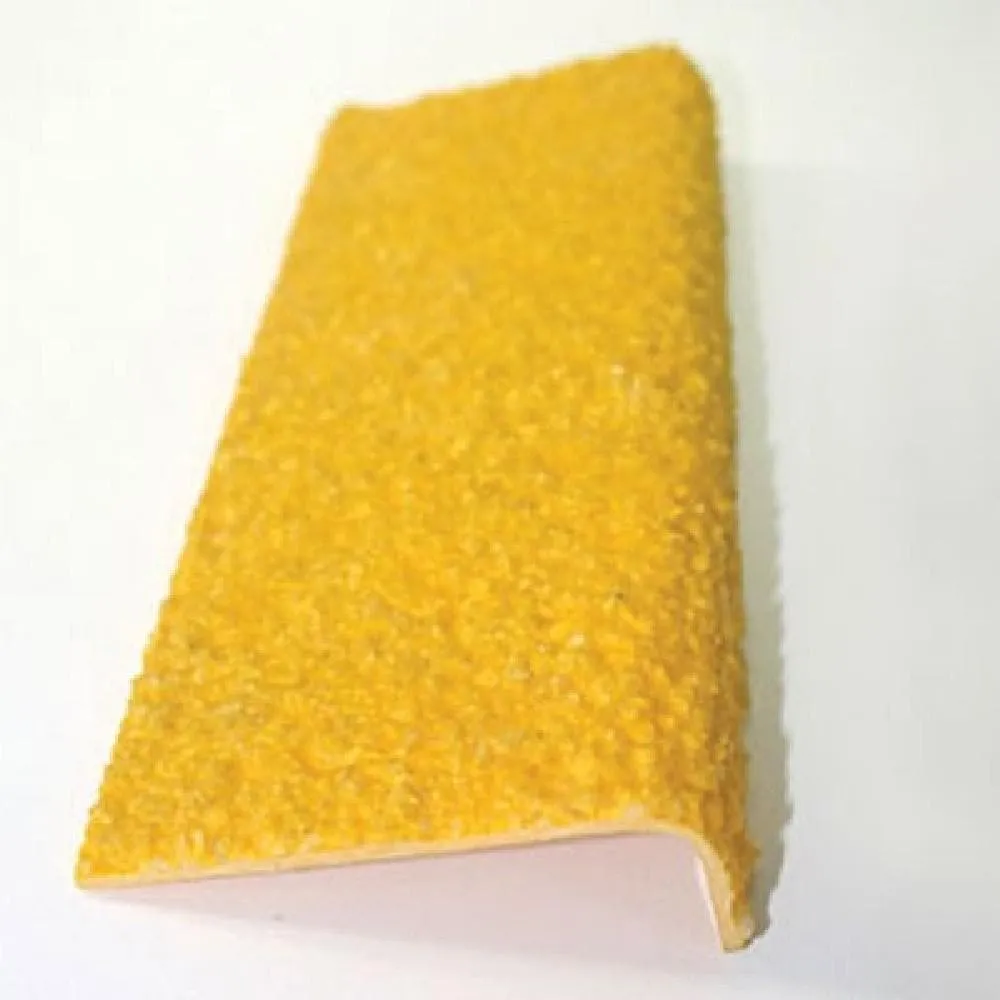
The Importance of Safety in FRP Stair Nosings
The Importance of Safety in FRP Stair Nosings: contribute to safety, reducing slip and fall risks, providing customizable features for various environments.
Applications of Aluminum Stair Nosings with Rubber Insert
Discover Applications of Aluminum Stair Nosings with Rubber Insert, in commercial, residential, educational, healthcare, and industrial settings.