


1. Home
  2. »
  3. AntiSlip Tech Blog
  4. »
  5. The Applications of FRP Stair Nosings

The Applications of FRP Stair Nosings

The Applications of FRP Stair Nosings, from commercial buildings to marine structures, highlighting their versatility and suitability for various industries.

Table of Contents

Introduction

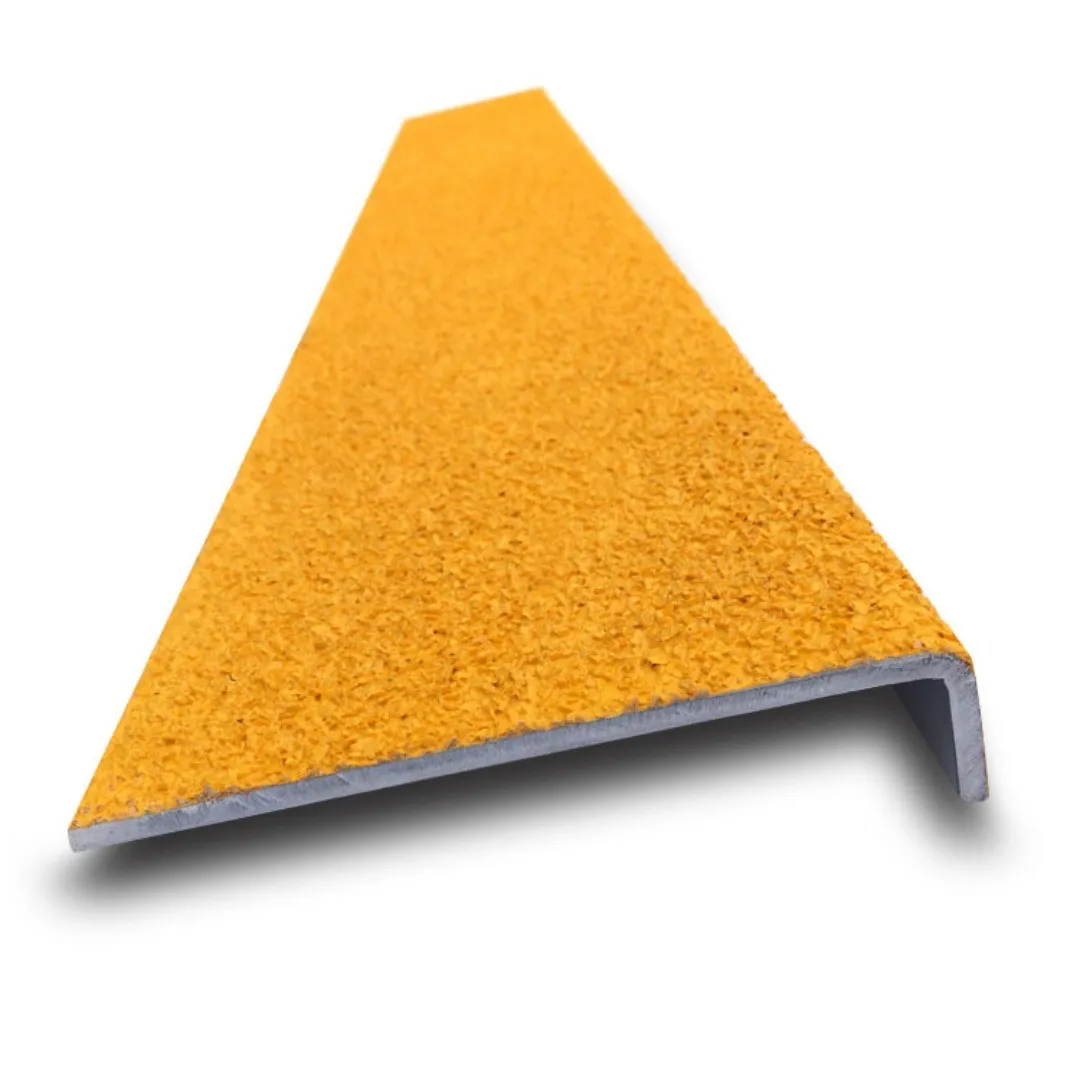
FRP stair nosings offer a durable and versatile solution for various applications in the construction industry. Their unique properties, including corrosion resistance, lightweight nature, and low maintenance requirements, make them ideal for a wide range of environments and industries. This article explores the diverse applications of FRP stair nosings, showcasing their suitability for various settings.

1. Commercial and Industrial Buildings:

  • High-Traffic Areas: FRP stair nosings are perfect for high-traffic areas in commercial and industrial buildings, such as shopping malls, airports, and office buildings.
  • Durability and Low Maintenance: Their durability and low maintenance requirements make them a cost-effective solution for these environments, minimizing downtime and maintenance costs.
  • Safety and Aesthetics: FRP stair nosings can also contribute to a safer and more aesthetically pleasing environment in commercial and industrial settings.
The Applications of FRP Stair Nosings

2. Residential Buildings:

  • Interior and Exterior Staircases: FRP stair nosings are suitable for both interior and exterior staircases in residential buildings.
  • Safety and Slip Resistance: They provide a safe and slip-resistant surface for homeowners, enhancing safety and peace of mind.
  • Customization Options: FRP stair nosings are available in various colors and finishes, allowing homeowners to choose a design that complements their home’s aesthetic.
The Applications of FRP Stair Nosings

3. Marine Industry:

  • Waterfront Structures: FRP stair nosings are ideal for use in boat ramps, docks, and other waterfront structures.
  • Corrosion Resistance and Saltwater Damage: Their resistance to corrosion and saltwater damage makes them a durable solution for marine environments.
  • Lightweight and Easy Installation: FRP stair nosings are lightweight and easy to transport and install, making them practical for marine applications.

4. Healthcare Industry:

  • Hospitals and Clinics: FRP stair nosings can be used in hospitals, clinics, and other healthcare facilities.
  • Safety and Hygiene: They provide a safe and slip-resistant surface for patients and staff, while also being easy to clean and maintain, ensuring a hygienic environment.
  • Reduced Risk of Accidents: The slip resistance of FRP stair nosings can help reduce the risk of accidents and injuries in healthcare settings.

5. Food and Beverage Industry:

  • Food Processing Plants and Restaurants: FRP stair nosings are suitable for use in food processing plants, restaurants, and other food service establishments.
  • Hygiene and Safety: Their easy-to-clean surface and slip resistance contribute to a hygienic and safe environment, ensuring food safety.
  • Corrosion Resistance: FRP’s resistance to corrosion makes it a practical solution for environments where food safety is a priority.

6. Transportation Industry:

  • Train Stations and Bus Terminals: FRP stair nosings can be used in train stations, bus terminals, and other transportation hubs.
  • High-Traffic Areas: Their durability and resistance to wear and tear make them a suitable solution for high-traffic transportation hubs.
  • Safety and Accessibility: FRP stair nosings can contribute to a safer and more accessible environment for passengers.

Conclusion:

  • FRP stair nosings offer a versatile and durable solution for various applications in the construction industry. Their unique properties make them suitable for commercial and industrial buildings, residential buildings, marine structures, healthcare facilities, food and beverage establishments, and transportation hubs. By choosing FRP stair nosings, businesses and individuals can ensure a safe, durable, and aesthetically pleasing environment, while also minimizing maintenance costs and maximizing longevity.

Comments

Tags
Great things in business are never done by one person. They’re done by a team of people. We have that dynamic group of peoples