1. Home
  2. »
  3. AntiSlip Tech Blog
  4. »
  5. Anti-Slip Metal Strips Improve Safety in the Workplace

Anti-Slip Metal Strips Improve Safety in the Workplace

Anti-Slip Metal Strips Improve Safety in the Workplace: providing durable, textured surfaces that prevent slips and falls, reducing accidents.

Table of Contents

How Anti-Slip Metal Strips Improve Safety in the Workplace

Discover how anti-slip metal strips enhance workplace safety by providing durable, textured surfaces that prevent slips and falls, reducing accidents and promoting a safety-conscious culture.

Anti-Slip Metal Strips: A Vital Safety Investment for the Workplace

Anti-slip metal stripsare an essential safety measure in the workplace, providing a secure and stable surface for employees to walk on. These strips are designed to prevent slips and falls, which can lead to serious injuries and even fatalities. In this article, we will discuss the benefits of anti-slip metal strips and how they can improve safety in the workplace.

Durability and Longevity for a Safe Workplace

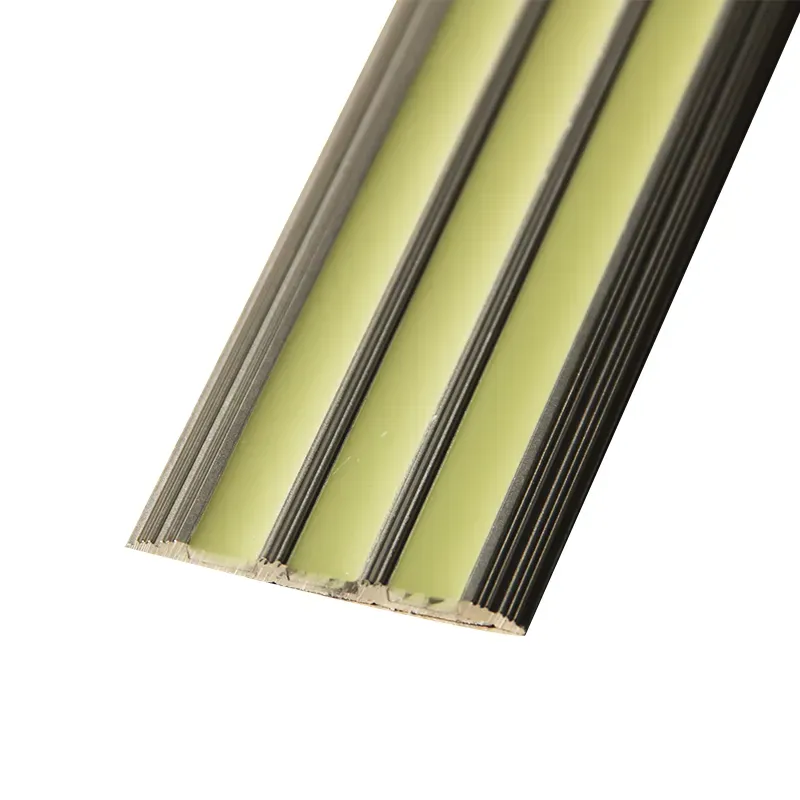
Firstly, anti-slip metal strips are made from high-quality materials that are durable and long-lasting. They are typically made from stainless steel or aluminum, which are both resistant to corrosion and wear. This means that they can withstand the rigors of a busy workplace environment, providing a safe and secure surface for employees to walk on for an extended period of time.

Anti-Slip Metal Strips Improve Safety in the Workplace

Enhanced Traction for Wet and Slippery Conditions

Secondly, anti-slip metal strips are designed to provide excellent traction, even in wet or slippery conditions. They have a textured surface that provides grip, preventing employees from slipping and falling. This is particularly important in areas where spills or leaks are common, such as near machinery or in food processing plants. By providing a safe and secure surface, anti-slip metal strips can help to prevent accidents and injuries in the workplace.

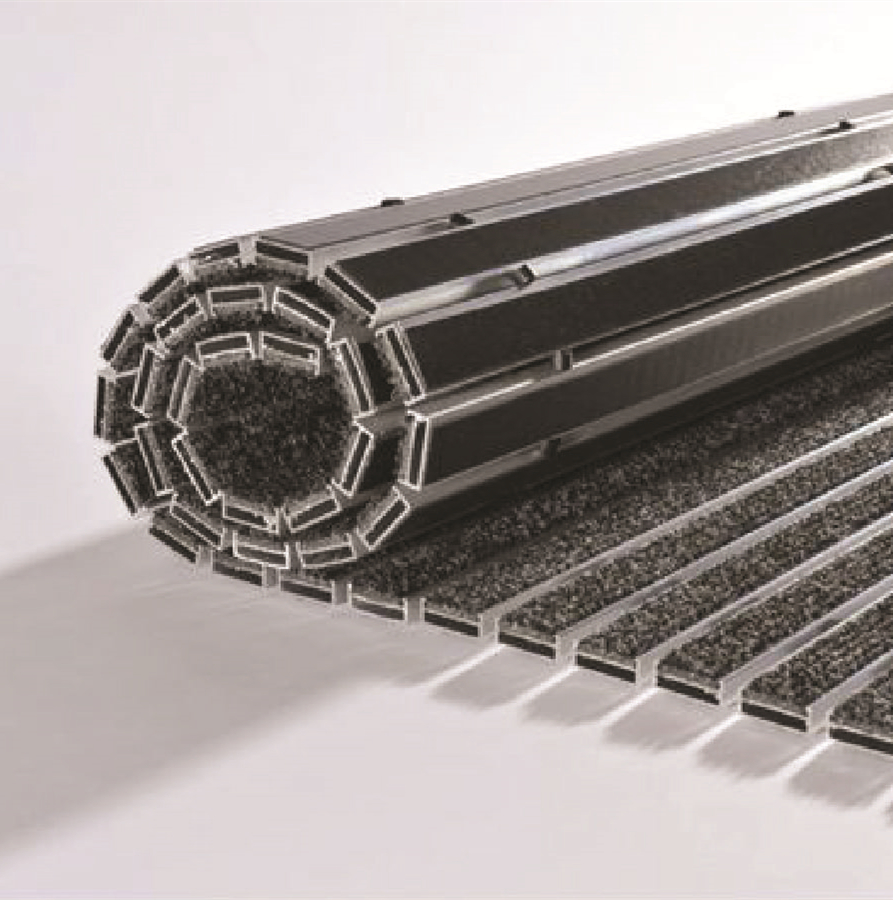
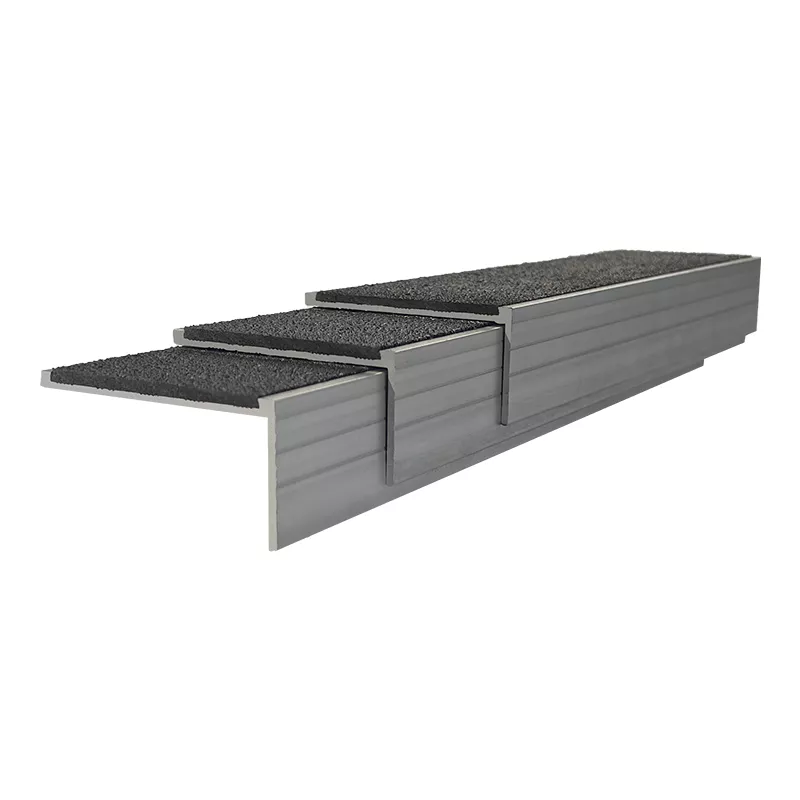
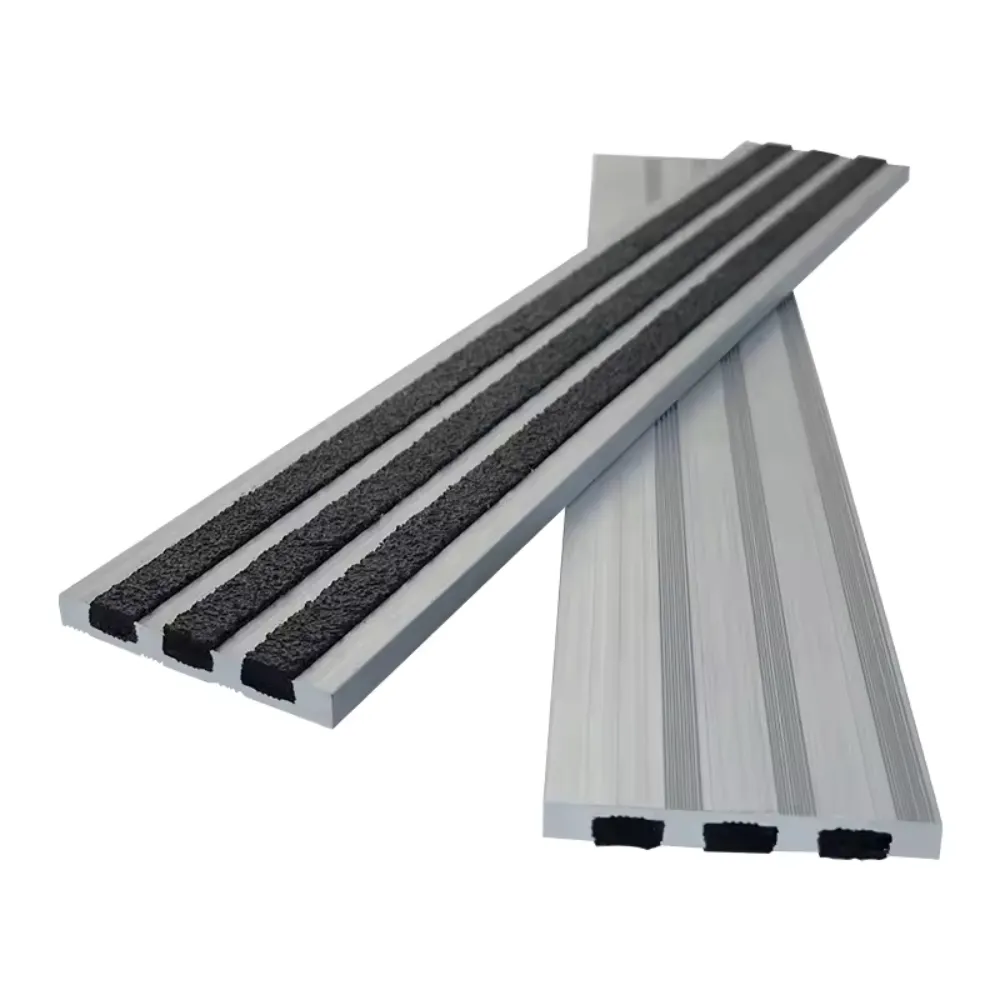
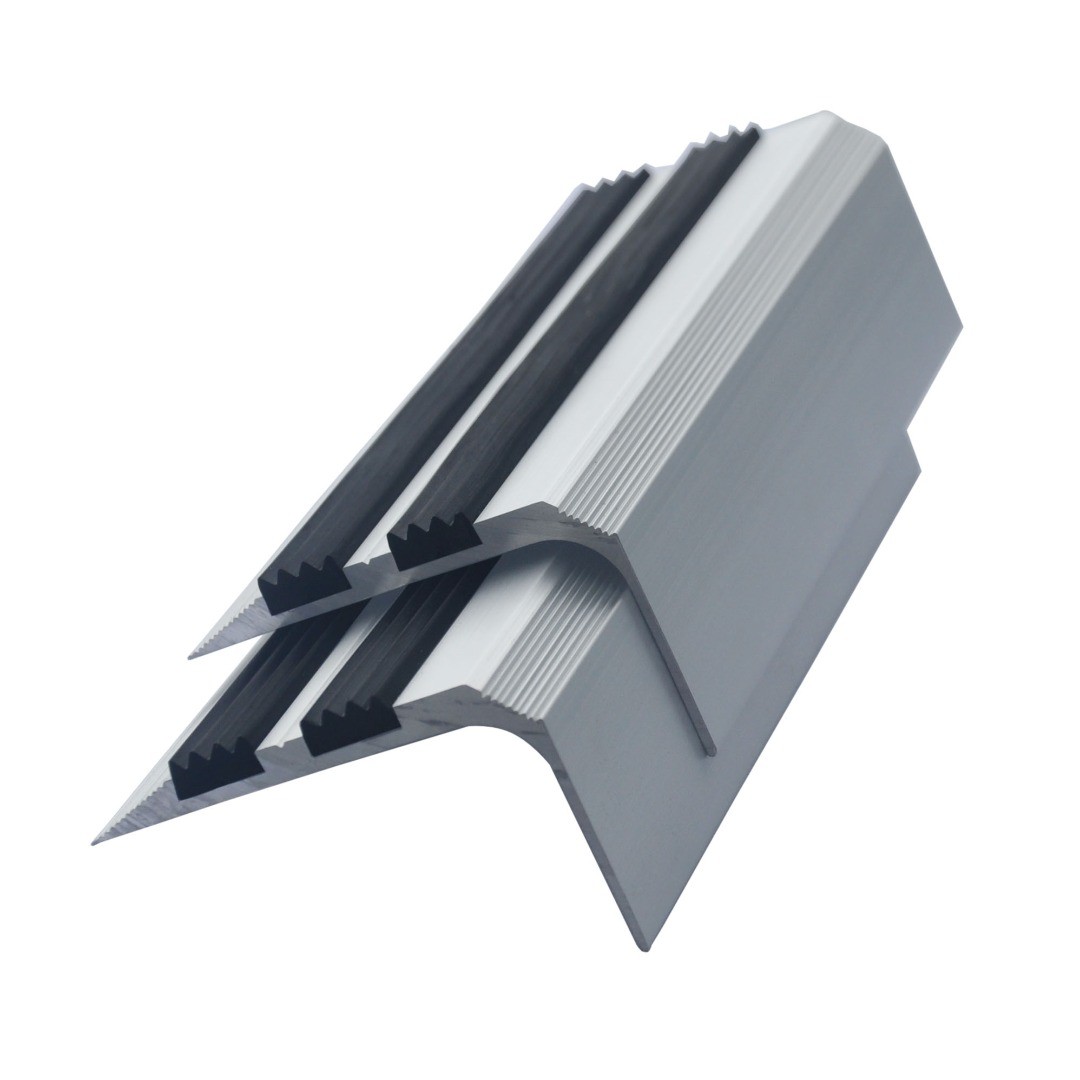
anti slip metal strips

Versatility for a Wide Range of Applications

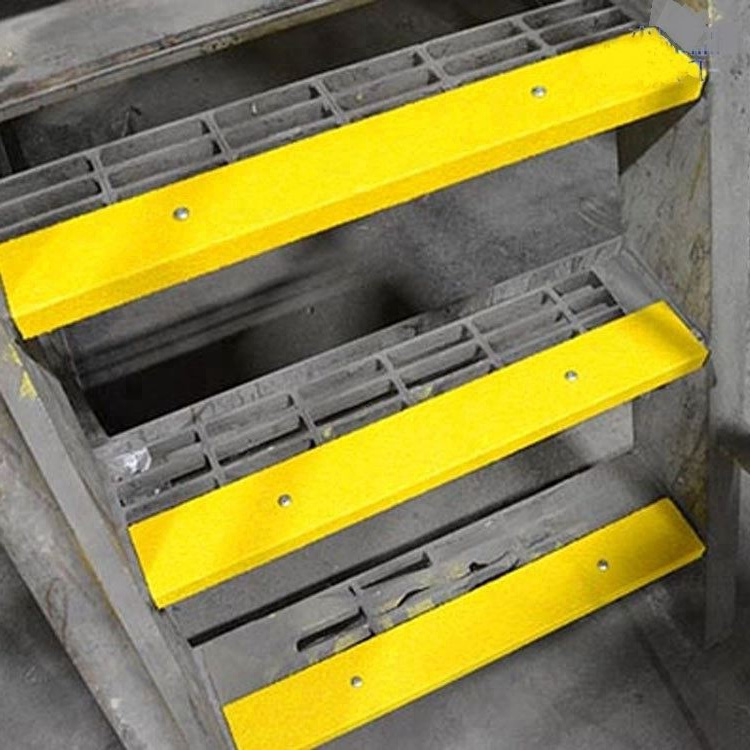
Thirdly, anti-slip metal strips can be easily installed in a variety of locations, making them a versatile safety solution. They can be installed on stairs, ramps, walkways, and other surfaces where slips and falls are a concern. This flexibility means that they can be used in a wide range of industries, from manufacturing to healthcare to retail.

Reducing Litigation Risk and Promoting a Safe Culture

Fourthly, anti-slip metal strips can help to reduce the risk of litigation by providing a safer working environment for employees. Slips and falls can lead to serious injuries, and in some cases, employees may choose to sue their employer for negligence if they believe that the workplace is not safe. By installing anti-slip metal strips, employers can demonstrate that they are taking steps to ensure the safety of their employees, reducing the risk of litigation.

Finally, anti-slip metal strips can help to improve the overall safety culture in the workplace. By installing these strips, employers are sending a clear message to their employees that safety is a priority. This can lead to a more proactive approach to safety, with employees taking greater care to ensure that their work environment is safe and secure.

Conclusion: A Smart Investment in Workplace Safety

In conclusion, anti-slip metal strips are an effective and versatile safety solution that can help to improve safety in the workplace. By providing a secure and stable surface, reducing the risk of slips and falls, and promoting a safety-conscious culture, anti-slip metal strips can help to prevent accidents and injuries, protect employees, and reduce the risk of litigation.

Comments

Tags
Great things in business are never done by one person. They’re done by a team of people. We have that dynamic group of peoples
Custom Two-Part Stair Treads
What is ADA Accessibility?

These guidelines establish accessibility standards for new construction and alterations of state and local government facilities, as well as places of public accommodation and commercial buildings.

Read More »