1. Home
  2. »
  3. AntiSlip Tech Blog
  4. »
  5. The Environmental Impact of Anti-Slip Tape

The Environmental Impact of Anti-Slip Tape

The Environmental Impact of Anti-Slip Tape, examining its production, materials, and disposal, while highlighting eco-friendly alternatives.

Table of Contents

Introduction:

Anti-slip tape is a ubiquitous safety solution, but its environmental impact is a growing concern. This analysis delves into the production, materials, and disposal of anti-slip tape, highlighting both potential environmental concerns and eco-friendly alternatives.

Production: A Complex Environmental Footprint

Anti-slip tape production involves extracting and processing raw materials, including petroleum-based adhesives and synthetic fibers. This process contributes to:

  • Greenhouse Gas Emissions: Fossil fuel consumption during extraction and manufacturing.
  • Resource Depletion: Extraction of non-renewable resources like petroleum.
  • Waste Generation: Byproducts and waste generated during production.
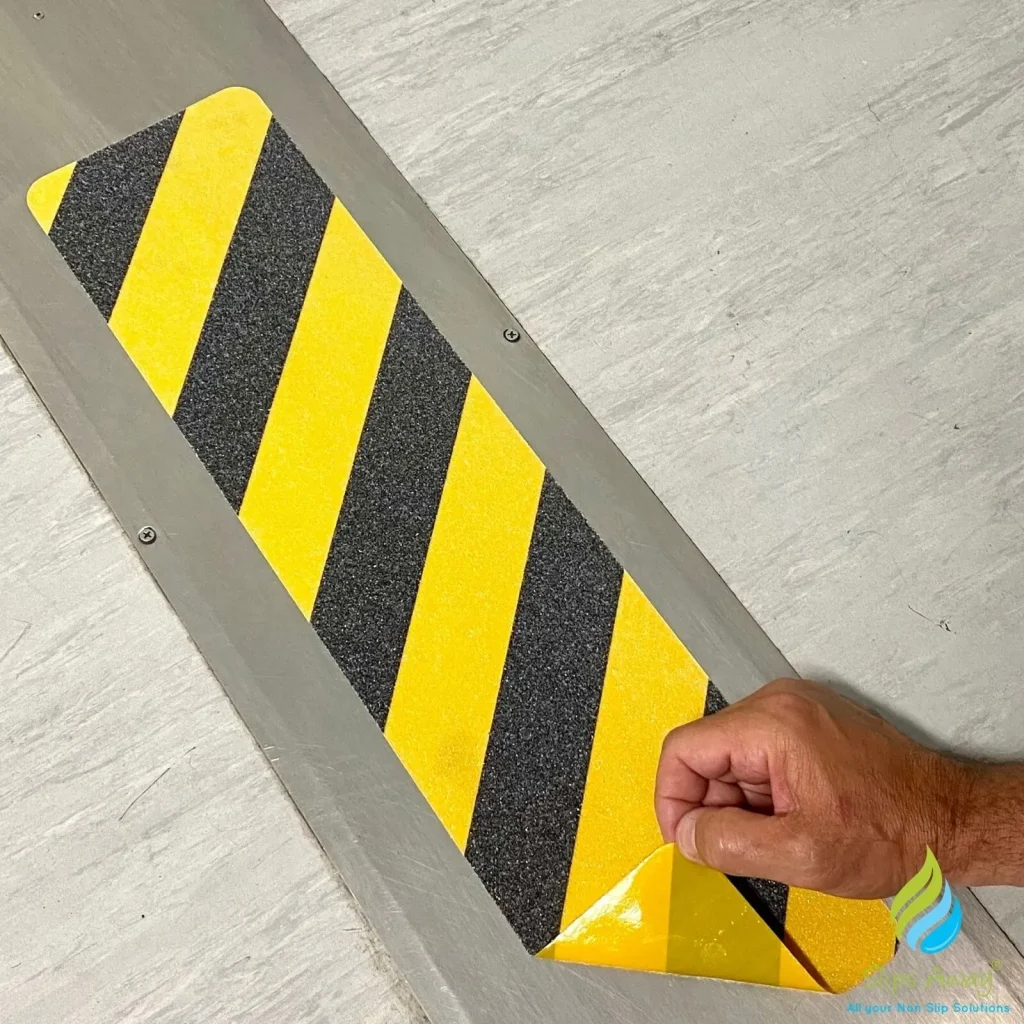
Custom Printed Anti Slip Tape

Materials: A Spectrum of Environmental Impacts

The materials used in anti-slip tape vary in their environmental impact:

  • Petroleum-Based Adhesives: Derived from fossil fuels, contributing to air pollution and climate change.
  • Synthetic Fibers: Often made from non-renewable resources, with potential for microplastic pollution.
  • Sustainable Alternatives: Some manufacturers use natural rubber, biodegradable adhesives, and recycled materials, reducing the environmental footprint.
Custom Printed Anti Slip Tape

Disposal: A Challenge for Recycling and Reuse

Disposing of anti-slip tape effectively is crucial to minimize its environmental impact:

  • Recycling: Difficult due to the adhesive properties, making separation challenging.
  • Reuse: Limited options for reuse, especially for tapes with specific applications.
  • Responsible Disposal: Proper disposal through waste management facilities that handle hazardous waste is essential.

Eco-Friendly Alternatives: A Path Towards Sustainability

  • Biodegradable Anti-Slip Tape: Made from renewable materials that decompose naturally.
  • Recycled Anti-Slip Tape: Made from recycled materials, reducing waste and resource consumption.
  • Reusable Anti-Slip Solutions: Options like non-slip mats or coatings that can be cleaned and reused.

Consumer and Manufacturer Responsibility:

  • Consumers: Choose eco-friendly anti-slip tapes made from sustainable materials.
  • Manufacturers: Invest in research and development for more sustainable production processes and materials.
  • Government and Industry: Develop regulations and initiatives to promote sustainable anti-slip tape production and disposal.

Conclusion:

The environmental impact of anti-slip tape is a complex issue, with both challenges and opportunities. By choosing eco-friendly alternatives, engaging in responsible disposal practices, and promoting sustainable production methods, we can minimize the environmental footprint of this essential safety solution.

Comments

Tags
Great things in business are never done by one person. They’re done by a team of people. We have that dynamic group of peoples
anti slip metal strips
How to Install and Maintain Stair Treads

Aluminum stair nosing is essential for both safety and durability in high-traffic areas. When sourcing aluminum stair nosing from China, it’s crucial to find products that are not only cost-effective but also of high quality. Aluminum stair nosing provides excellent slip resistance, is lightweight, and highly durable, making it a top choice for commercial and residential buildings. Its non-slip properties help prevent accidents, and its robust nature ensures it can withstand heavy usage over time.

Read More »