1. Home
  2. »
  3. AntiSlip Tech Blog
  4. »
  5. The Installation Process of FRP Stair Nosings

The Installation Process of FRP Stair Nosings

The Installation Process of FRP Stair Nosings: detailed step-by-step guide, ensuring a safe, aesthetically pleasing, and long-lasting staircase.

Table of Contents

Introduction

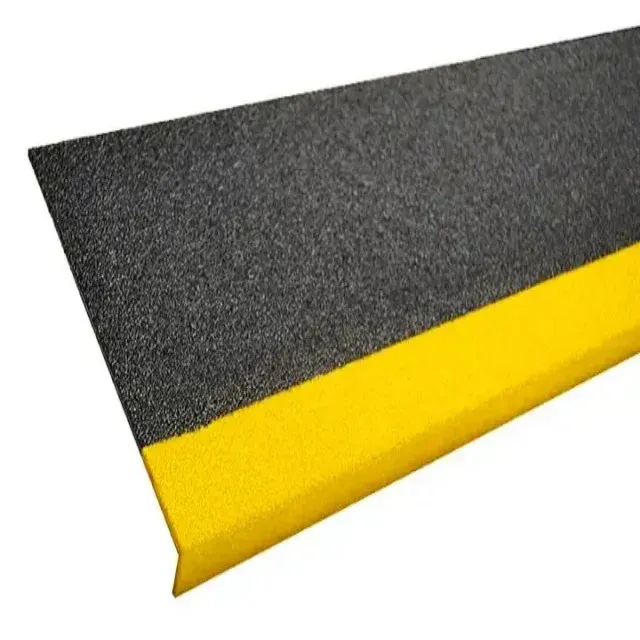
FRP stair nosingsare essential for creating safe and visually appealing staircases. They provide a smooth transition between steps, preventing tripping hazards and enhancing the overall appearance. This guide provides a step-by-step process for installing FRP stair nosings, ensuring a successful and durable installation.

Step 1: Measurement and Cutting

  • Accurate Measurement: Use a tape measure or ruler to measure the length of each step accurately.
  • Precise Cutting: Cut the FRP stair nosings to the exact length of each step, ensuring a perfect fit and avoiding gaps or overhangs.
  • Tools: Use a saw or cutting tool specifically designed for FRP materials to ensure a clean and precise cut.
The Installation Process of FRP Stair Nosings

Step 2: Preparation of Stair Treads

  • Thorough Cleaning: Clean the surface of the stair treads thoroughly to remove dirt, debris, and any existing adhesive residue.
  • Clean Surface: A clean surface ensures proper adhesion of the adhesive and a strong bond between the FRP nosings and the treads.
  • Tools: Use a brush, vacuum cleaner, or appropriate cleaning solution to remove any contaminants.
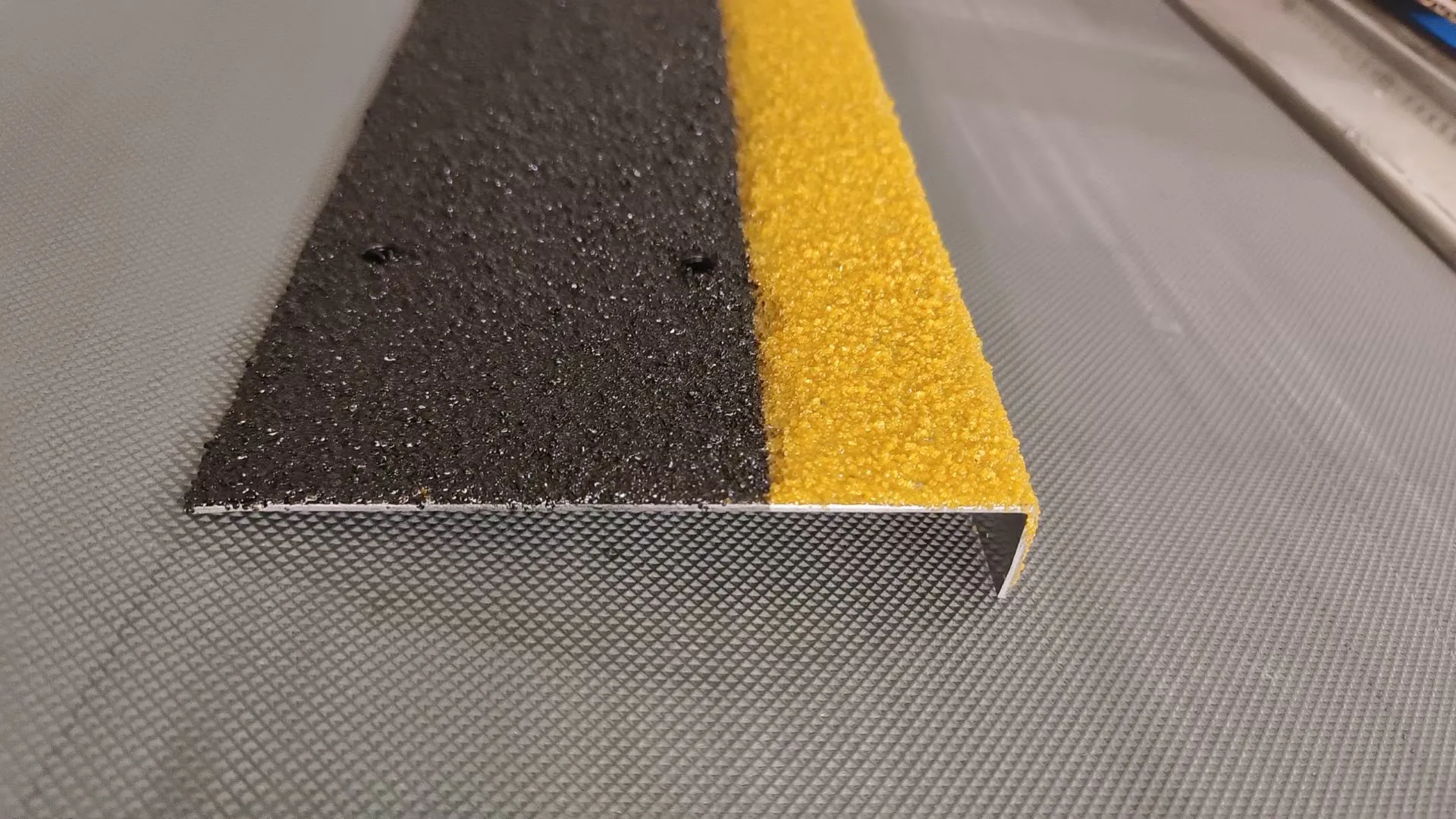
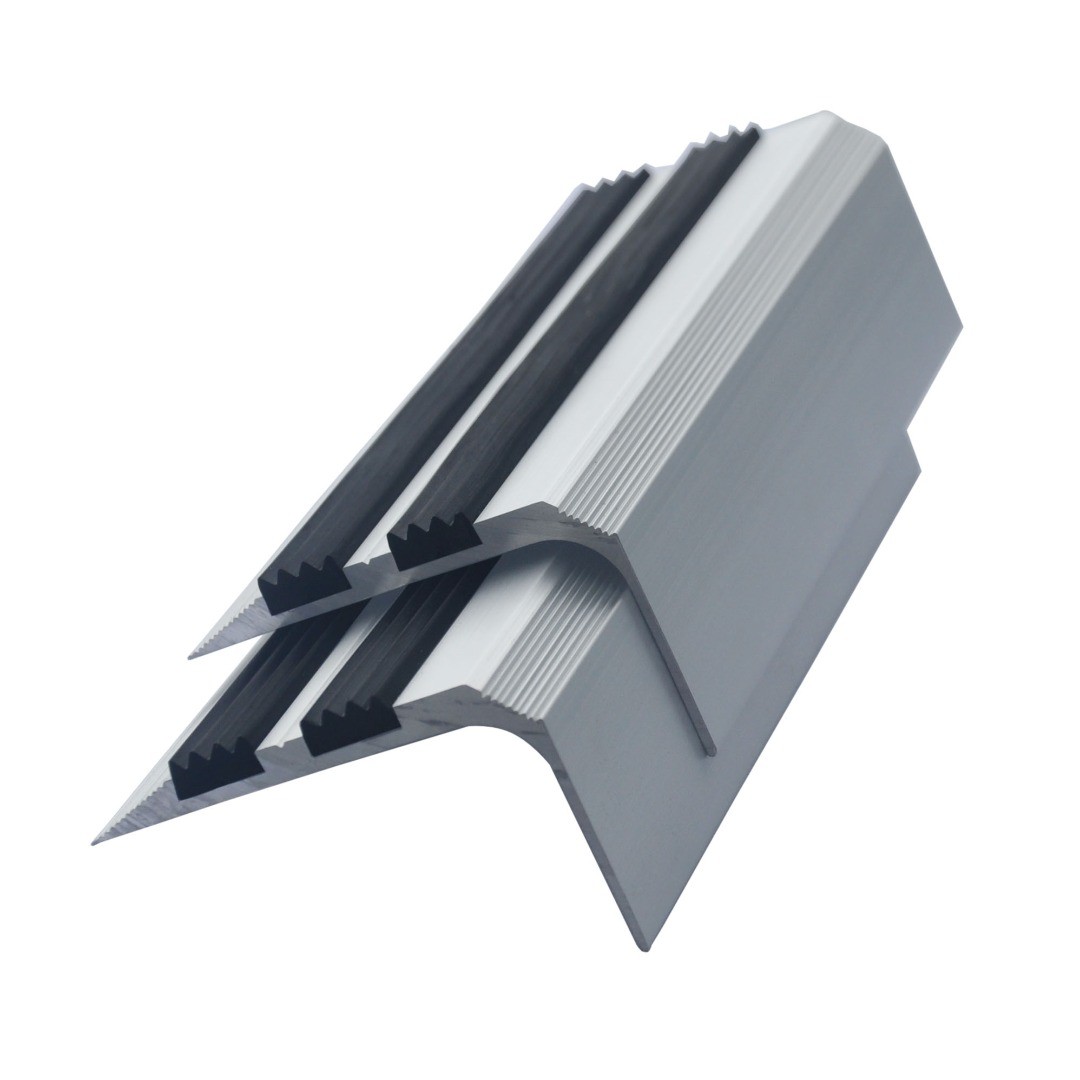
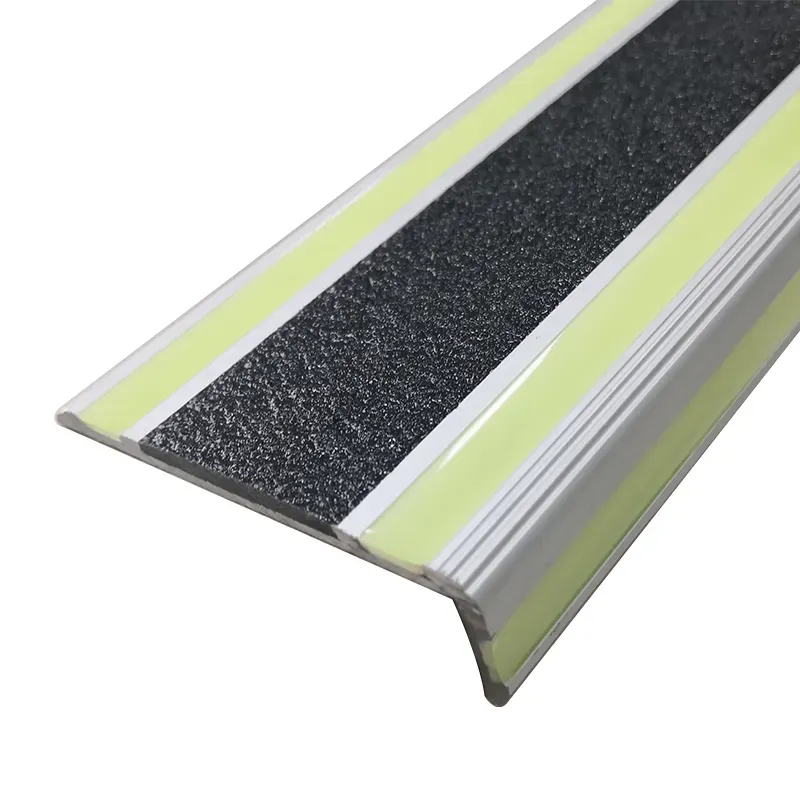
frp stair nosing

Step 3: Application of Adhesive

  • High-Quality Adhesive: Use a high-quality adhesive specifically designed for bonding FRP materials to ensure a strong and long-lasting bond.
  • Generous Application: Apply a generous amount of adhesive to the back of the FRP stair nosings, covering the entire surface area.
  • Even Distribution: Ensure that the adhesive is evenly distributed to create a strong and consistent bond.

Step 4: Positioning of FRP Stair Nosings

  • Accurate Alignment: Carefully position the FRP stair nosings onto the stair treads, ensuring that they are flush with the edge of the treads and properly aligned.
  • Firm Pressure: Press the nosings firmly onto the treads to ensure that the adhesive bonds properly and creates a secure connection.
  • Leveling: Use a level to ensure that the nosings are level and properly aligned with the treads.

Step 5: Securing of FRP Stair Nosings

  • Additional Fasteners: Secure the FRP stair nosings using additional fasteners such as screws or nails for extra support and stability.
  • Appropriate Fasteners: Choose fasteners that are compatible with the FRP material and the stair tread material.
  • Secure Installation: Ensure that the fasteners are securely installed to prevent the nosings from becoming loose or detaching over time.

Step 6: Finishing Touches

  • Smooth Edges: Use a file or sandpaper to smooth any rough edges or to adjust the nosings until they are perfectly aligned and flush with the treads.
  • Final Inspection: Inspect the installation thoroughly to ensure that the FRP stair nosings are properly installed, secure, and aesthetically pleasing.

Step 7: Maintenance

  • Regular Cleaning: Clean the FRP stair nosings regularly to remove dirt and debris, maintaining their appearance and preventing the buildup of contaminants.
  • Inspection for Damage: Inspect the nosings for any signs of wear or damage and repair or replace any damaged sections promptly to maintain safety and aesthetics.
  • Proper Care: Follow the manufacturer’s recommendations for cleaning and maintenance to ensure the long-term durability and performance of the FRP stair nosings.

Conclusion:

By following these steps, you can successfully install FRP stair nosings, creating a safe, functional, and aesthetically pleasing staircase. Remember to use high-quality materials, follow proper installation techniques, and maintain the nosings regularly to ensure their long-term durability and performance.

Comments

Tags
Great things in business are never done by one person. They’re done by a team of people. We have that dynamic group of peoples