

1. Home
  2. »
  3. AntiSlip Tech Blog
  4. »
  5. Anti-Slip Tape Regulations and Compliance

Anti-Slip Tape Regulations and Compliance

Anti-Slip Tape Regulations and Compliance, including testing methods, standards, maintenance, and the importance of harmonized standards for global safety.

Table of Contents

Introduction

Anti-slip tapeis a vital safety measure in many industries, but its effectiveness hinges on proper use and compliance with regulations. This article explores the key aspects of anti-slip tape regulations and compliance, emphasizing the importance of testing, adherence to standards, and regular maintenance.

Testing: Measuring Slip Resistance:

  • Importance of Testing: Testing is crucial to determine the effectiveness of anti-slip tape in providing the necessary level of traction.
  • Testing Methods: Several methods are available, including the Pendulum Test, the Wet Floor Slip Resistance Tester, and the British Pendulum Test.
  • Slip Resistance Value (SRV): The results of these tests are expressed as an SRV, which measures the force required to cause a standardized test foot to slip on a surface. A higher SRV indicates greater slip resistance.
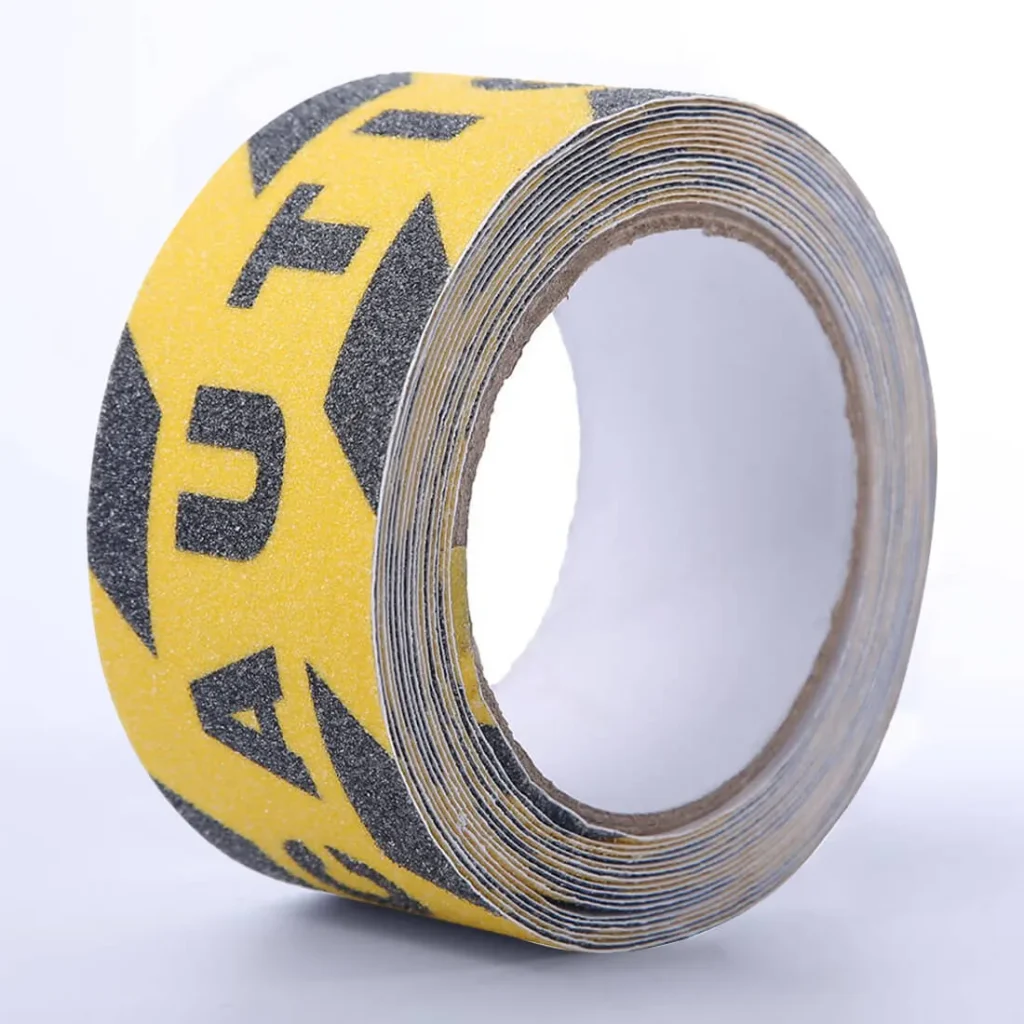
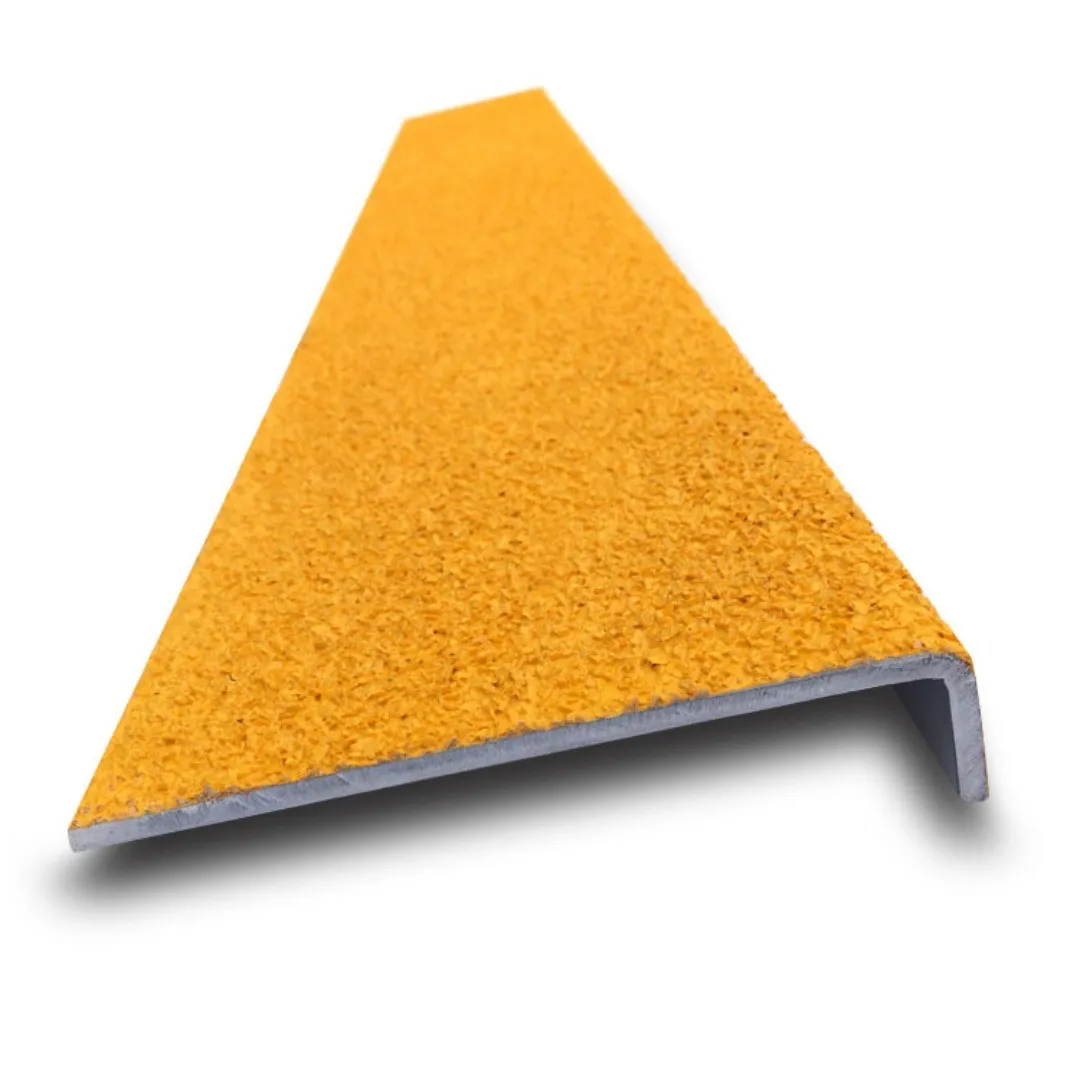
anti-slip tape

Adhering to Standards:

  • Standardization: Organizations like ANSI, BSI, and ISO establish standards for the design, installation, and maintenance of anti-slip tape.
  • Compliance: Adhering to these standards ensures that the tape meets the necessary slip resistance requirements and complies with various regulatory bodies.
  • Safety and Effectiveness: Compliance with standards ensures the effectiveness and safety of the anti-slip tape.
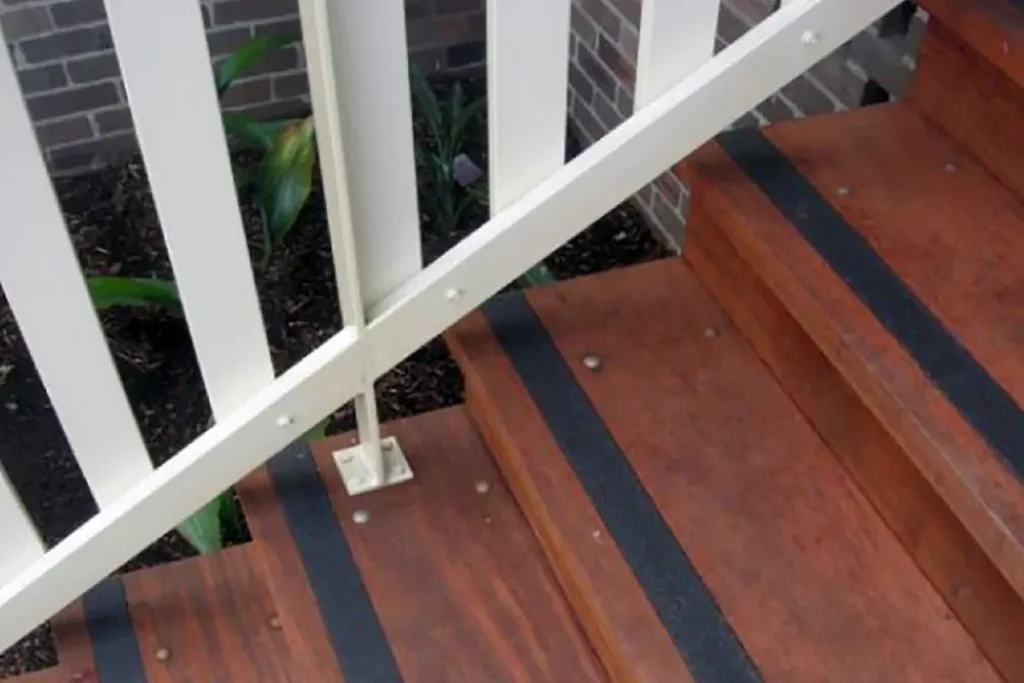
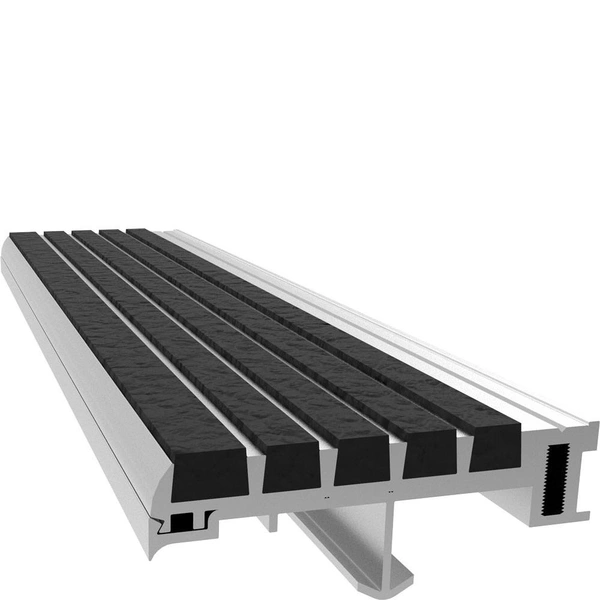
anti-slip tape

Regular Maintenance: Ensuring Ongoing Effectiveness:

  • Wear and Tear: Over time, anti-slip tape can become worn or damaged, reducing its effectiveness.
  • Regular Inspections: Regular inspections are crucial to identify any signs of wear or damage.
  • Replacement and Cleaning: The tape should be replaced as needed, and the surface it’s applied to should be regularly cleaned and maintained to ensure ongoing slip resistance.

Harmonized Standards: Addressing Global Consistency:

  • Standardization Challenges: Different countries and organizations may have varying requirements for slip resistance, creating inconsistencies.
  • Harmonized Standards: Some organizations have developed harmonized standards recognized by multiple regulatory bodies, providing a consistent basis for testing and compliance.
  • Global Safety: Harmonized standards facilitate global safety by ensuring that anti-slip tape products meet necessary requirements across different regions.

Key Considerations:

  • Product Selection: Choose high-quality anti-slip tape that meets relevant standards and is suitable for the specific application.
  • Proper Installation: Ensure proper installation according to the manufacturer’s instructions and relevant standards.
  • Documentation: Maintain records of testing, installation, and maintenance to demonstrate compliance.

Conclusion:

Anti-slip tape regulations and compliance are essential for ensuring the safety and effectiveness of this crucial safety measure. By understanding the importance of testing, adhering to relevant standards, and conducting regular maintenance, users of anti-slip tape can ensure they are meeting all necessary requirements and providing a safe environment for workers and visitors alike. Harmonized standards play a vital role in achieving global consistency and promoting safety across different regions.

Comments

Tags
Great things in business are never done by one person. They’re done by a team of people. We have that dynamic group of peoples