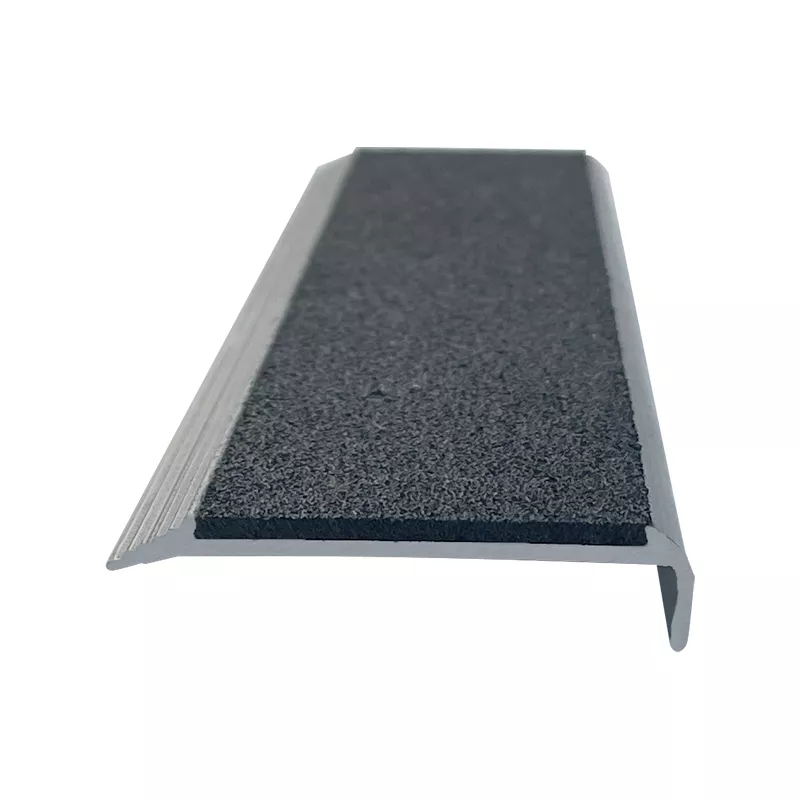
How Non-Slip Stair Nosing Enhances Safety
Slips and falls are common concerns in workplaces and public spaces. Non-slip stair nosing is designed to address these issues by providing extra grip and making stairways safer.
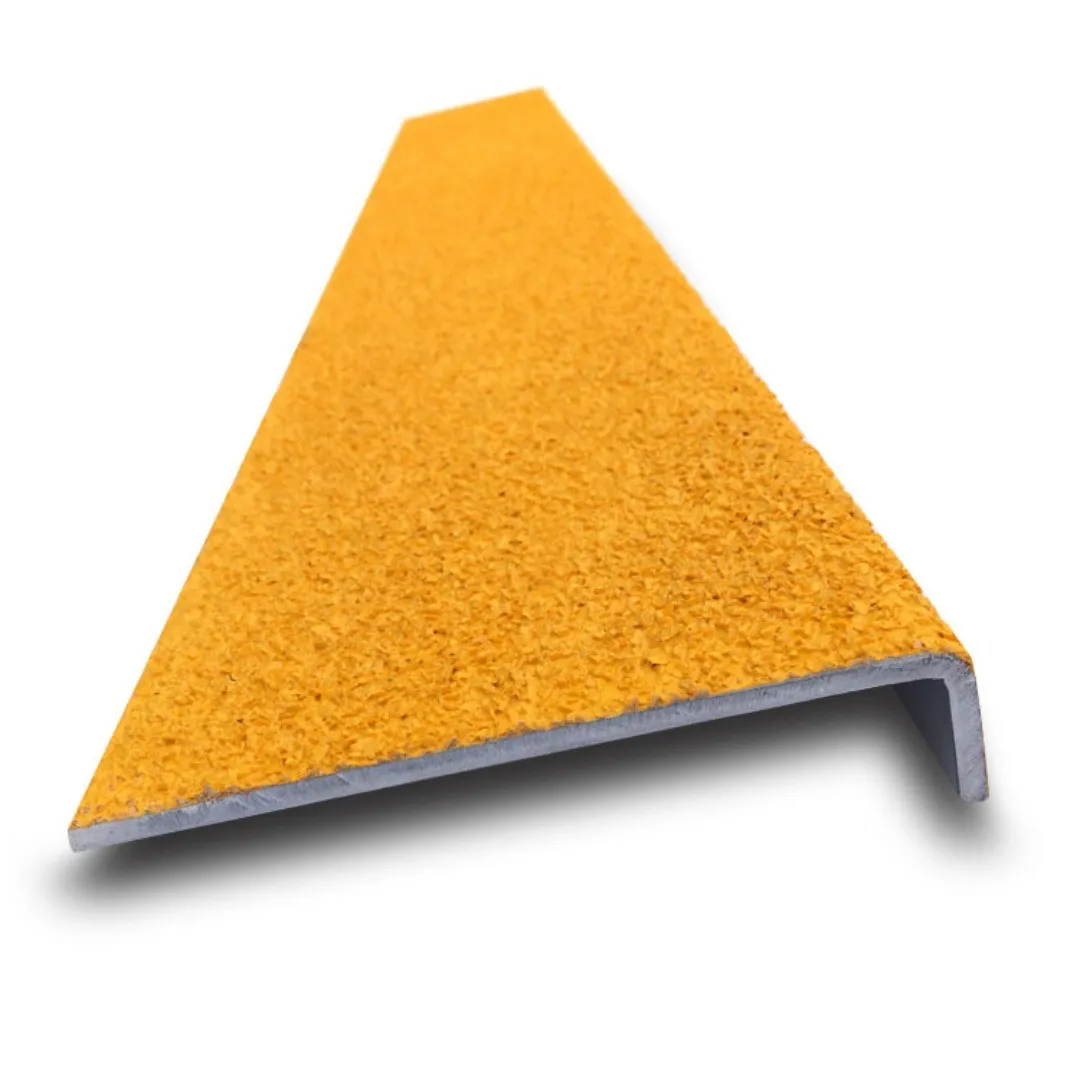
Why Aluminum Stair Nosing is Essential for Safety and Design
Aluminum stair nosing is a crucial component in staircase design, enhancing both safety and durability. This element, typically made from sturdy materials like aluminum, is the protruding edge of a stair step where most foot traffic occurs. Aluminum is a popular choice due to its strength, lightweight nature, and resistance to corrosion, making it ideal for busy areas.
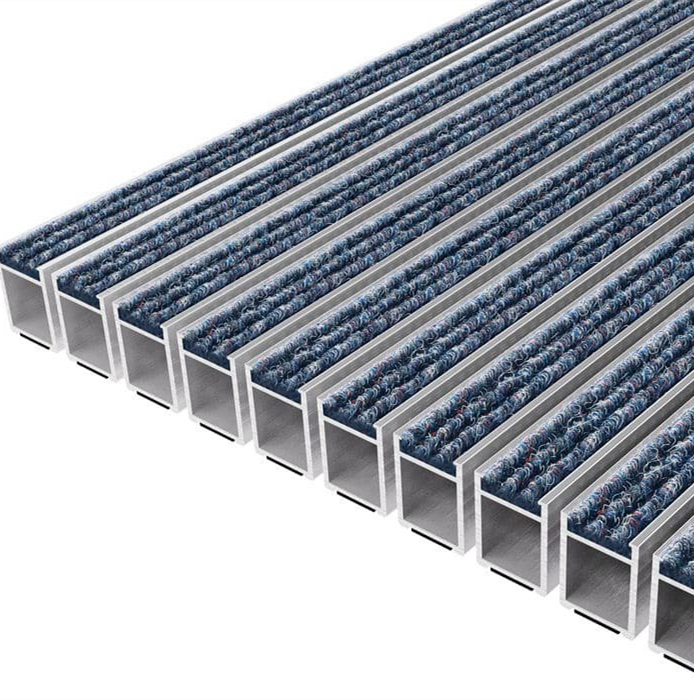
The Key Historical Milestones of Aluminum Entrance Mattings
Aluminum entrance mattings have made many improvements in design and safety standards, suitable for current applications and have many advantages.
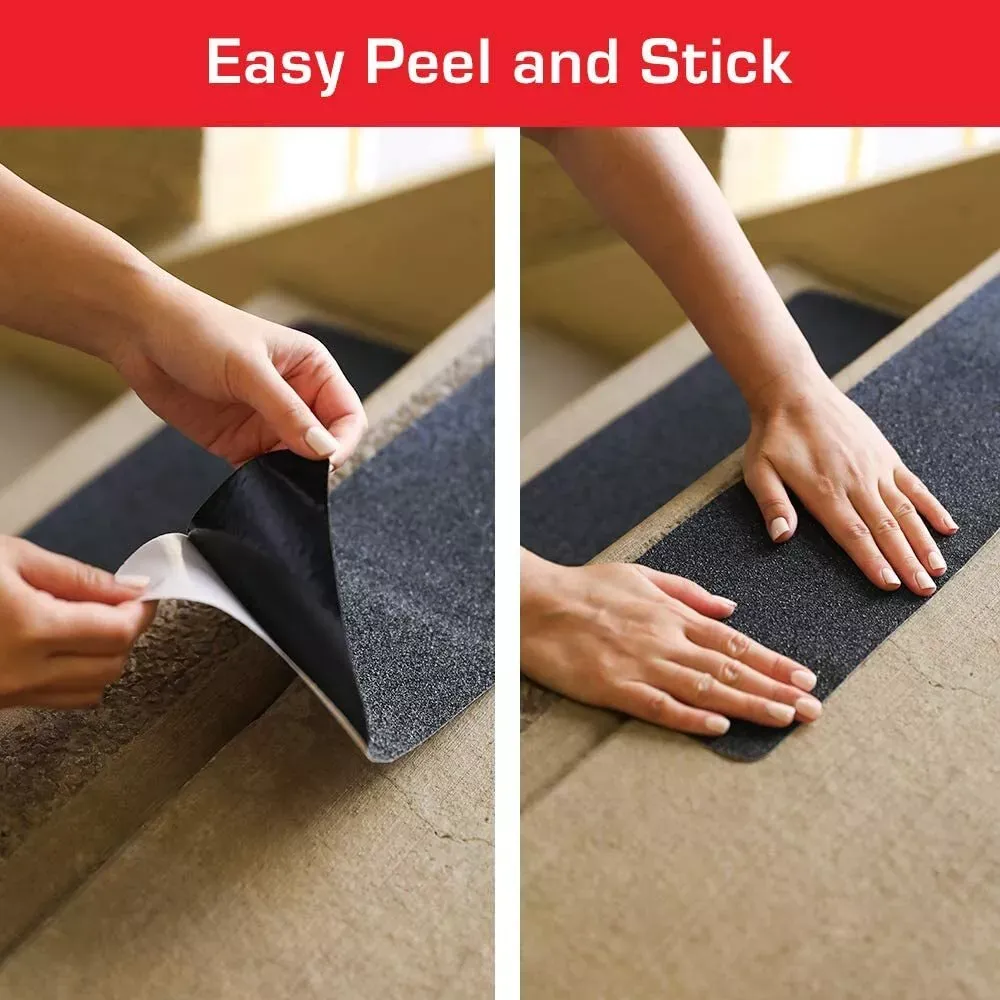
The Technology of Anti-Slip Tape
Delve into The Technology of Anti-Slip Tape, exploring the materials, manufacturing processes, and scientific principles, make it an effective safety solution.
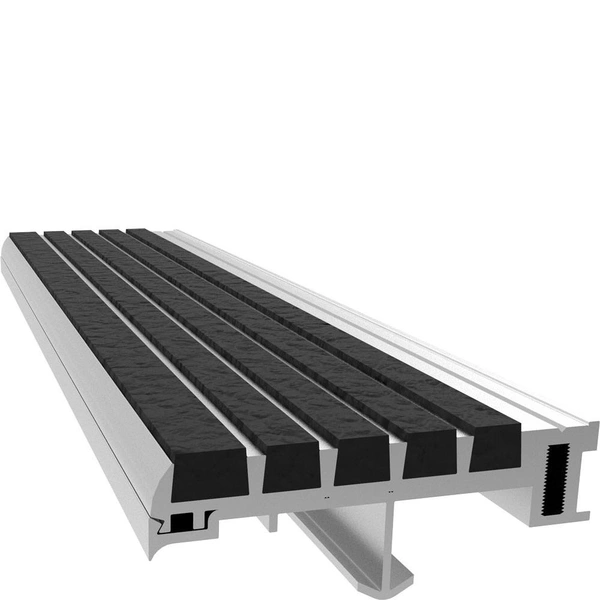
The Benefits of Custom Two-Part Stair Treads for Commercial Spaces
Stair Treads for Commercial Spaces: due to their unique design and functionality. China Factory. Free Samples. Best Quality. Worldwide shipping. Afford Price.
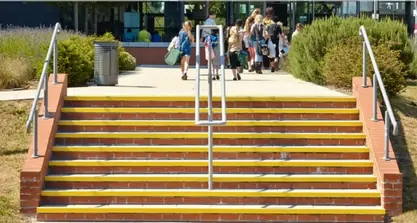
How to Choose the Right Nosing Solutions for School Stairs
Numerous older schools encounter a common challenge – the gradual deterioration of their staircases over time. Whether it’s the chips and cracks on concrete stairs or the fraying and wear on carpeted stairs, these issues not only mar the appearance but also pose significant safety hazards to both students and teachers.
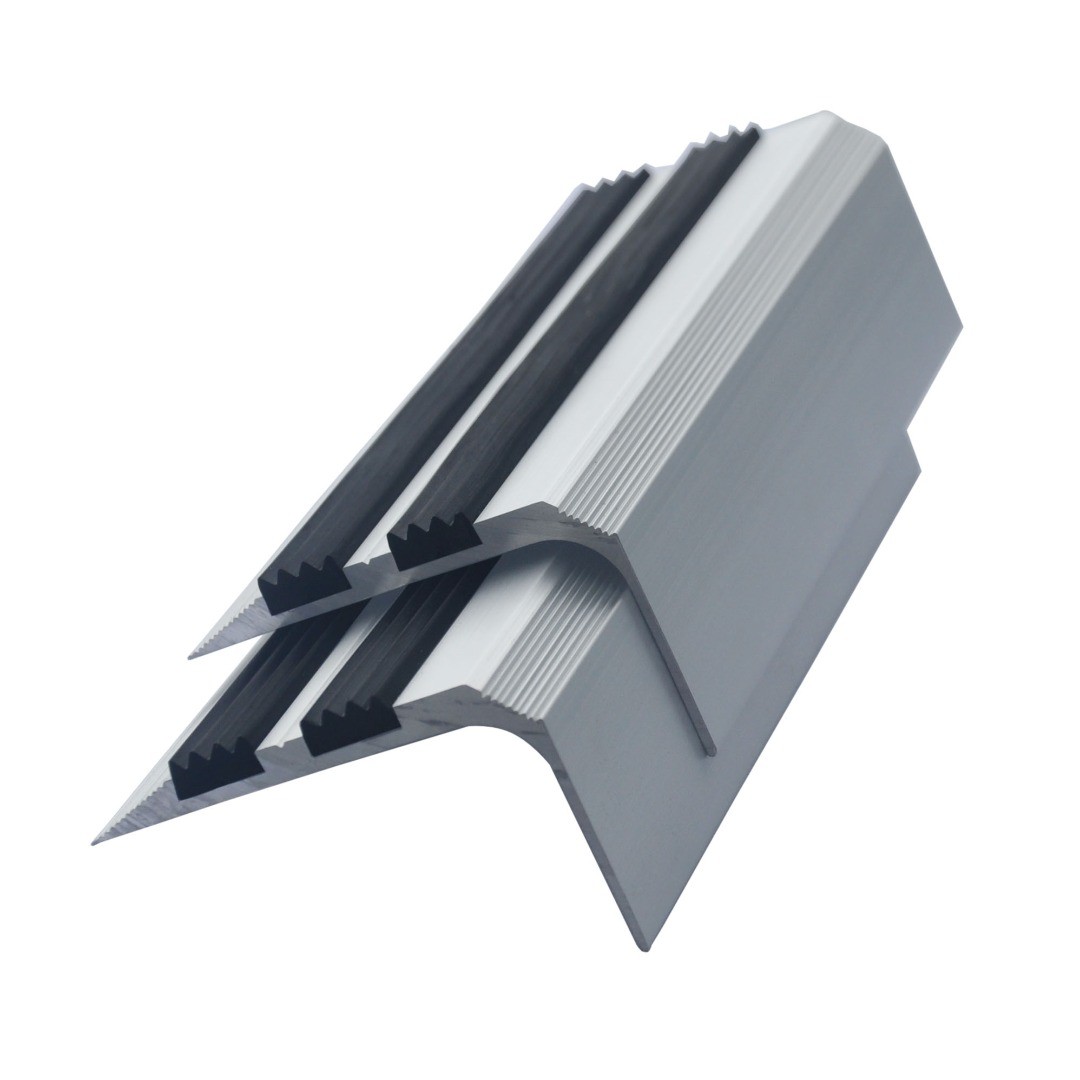
Design Options for Aluminum Stair Nosings with Rubber Insert
Design Options for Aluminum Stair Nosings with Rubber Inserts, from contrasting colors and rubber materials to installation methods and safety features.
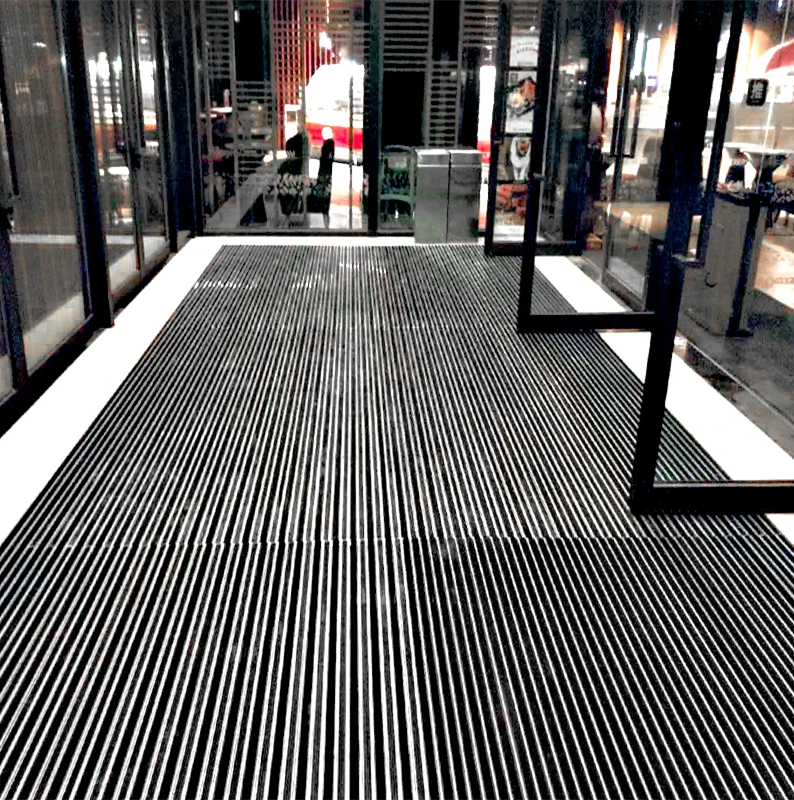
6 Key Considerations For Selecting Aluminum Entrance Matting
Whether it is a commercial or a personal construction, you need to fully consider all factors when choosing aluminum entrance matting.
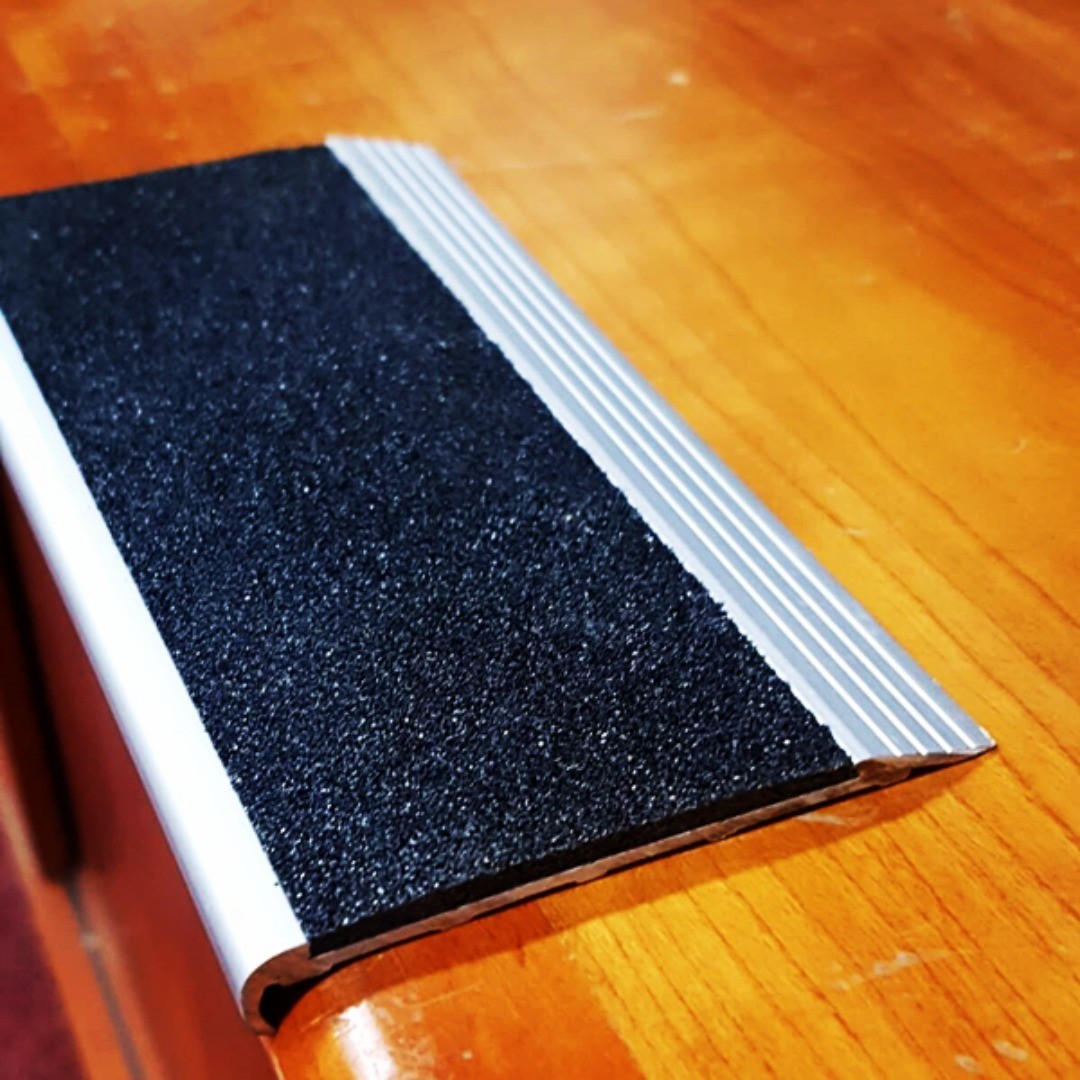
What is The Improtant History of Stair Nosing?
Stair nosing has played a crucial role in stair design for centuries, evolving significantly over time to address both functional and aesthetic needs.
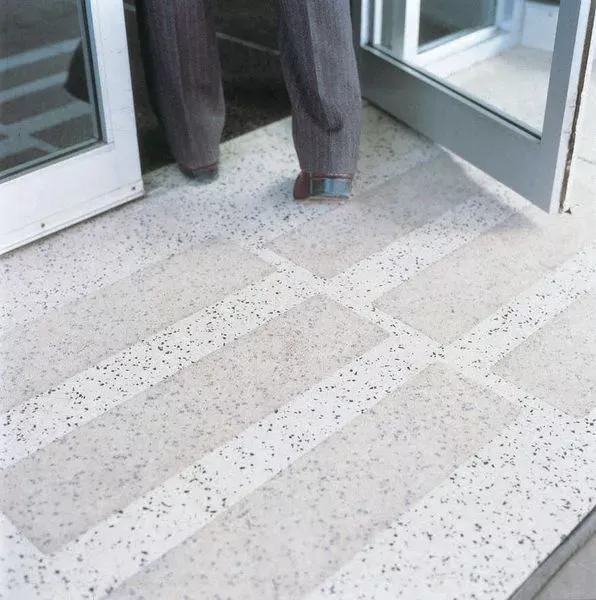
Anti-Slip Tape vs. Other Safety Solutions
Anti-Slip Tape vs. Other Safety Solutions, like non-slip flooring, safety mats, and non-slip coatings, highlighting advantages, disadvantages, and suitability.
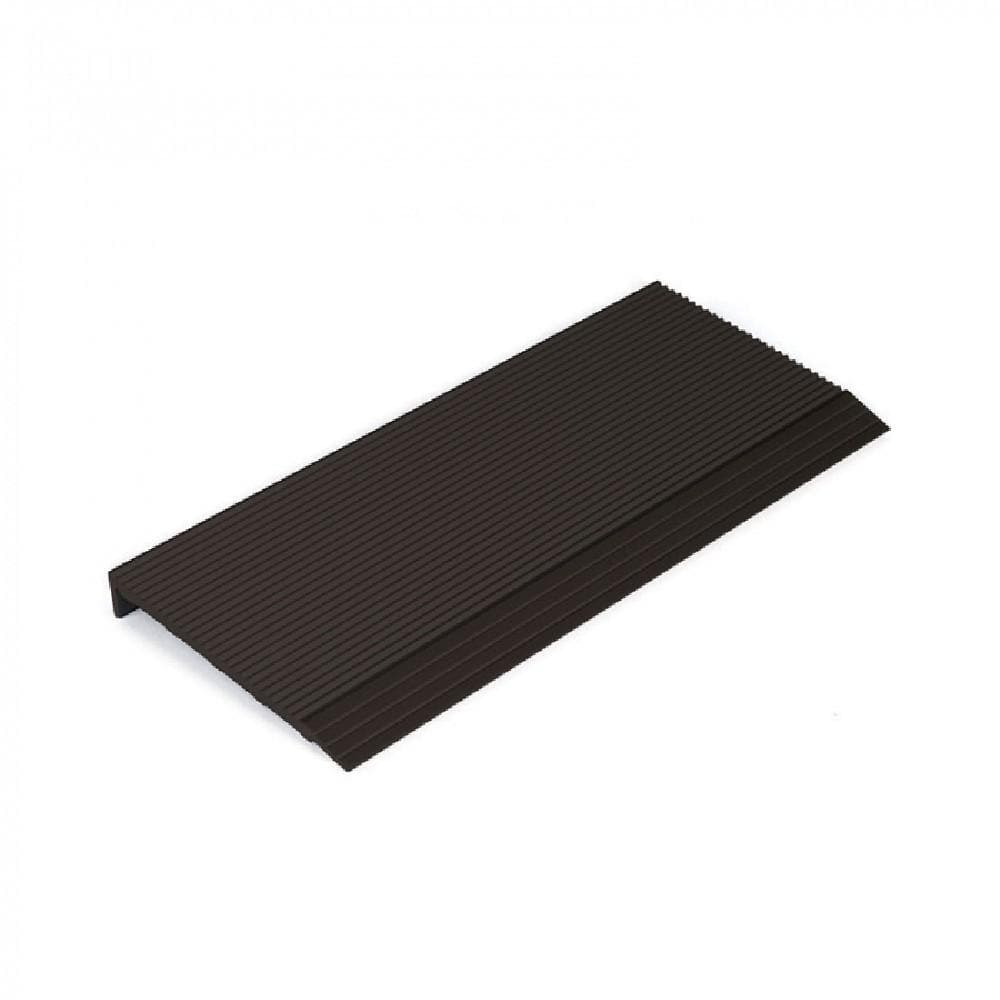
How to Prevent Staircase Accidents and Improve Home Safety
Staircases are one of the most common places for accidents at home, especially for young children and older family members. Falls and slips can lead to serious injuries, so it’s important to take steps to make your stairs safer.
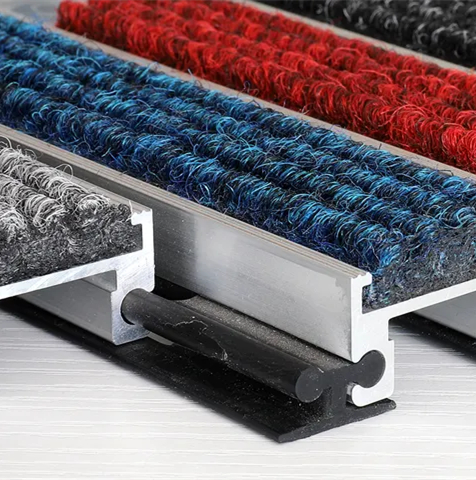
Why Choose Aluminum for Entrance Matting Design?
The use of aluminum in entrance matting has revolutionized design and functionality. The aluminum entrance matting is vital for maintaining clean and safe.
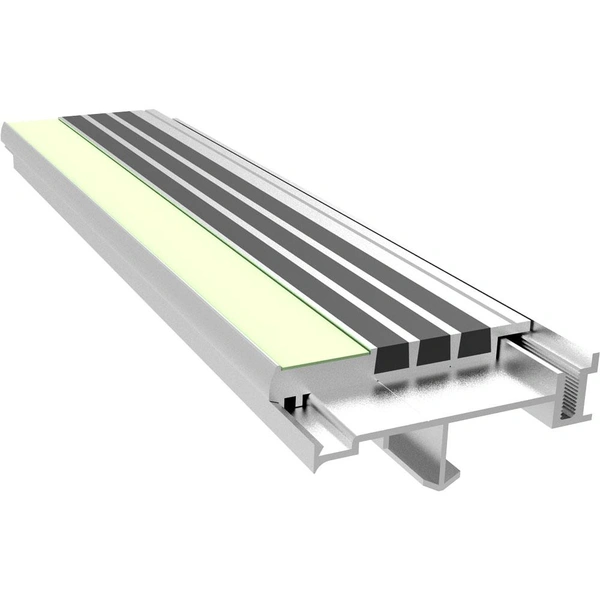
The Cost-Effectiveness of Custom Two-Part Stair Treads
Custom two-part stair treads offer cost-effective and visually appealing solutions, enhancing functionality and aesthetics while providing long-term value.
Different Types of Aluminum Stair Nosings with Rubber Insert
Discover the different types of aluminum stair nosings with rubber inserts, and how to choose the right one for enhanced safety and aesthetics.
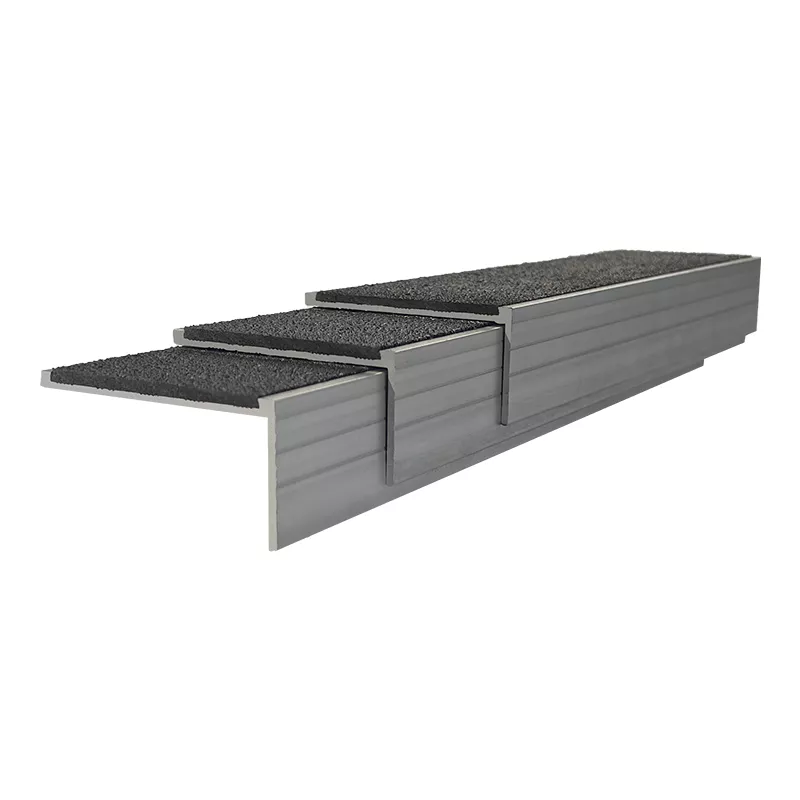
Why Anti-Slip Decking Strips are a Smart Investment
Non-slip fiberglass decking strips attach directly to the surface of decking and steps, providing an easy and effective way to increase safety on slippery timber decks and steps. These strips feature a gritty, slip-resistant surface and come in various sizes to fit different deck designs. They are secured in place with screws, ensuring they stay firmly attached.
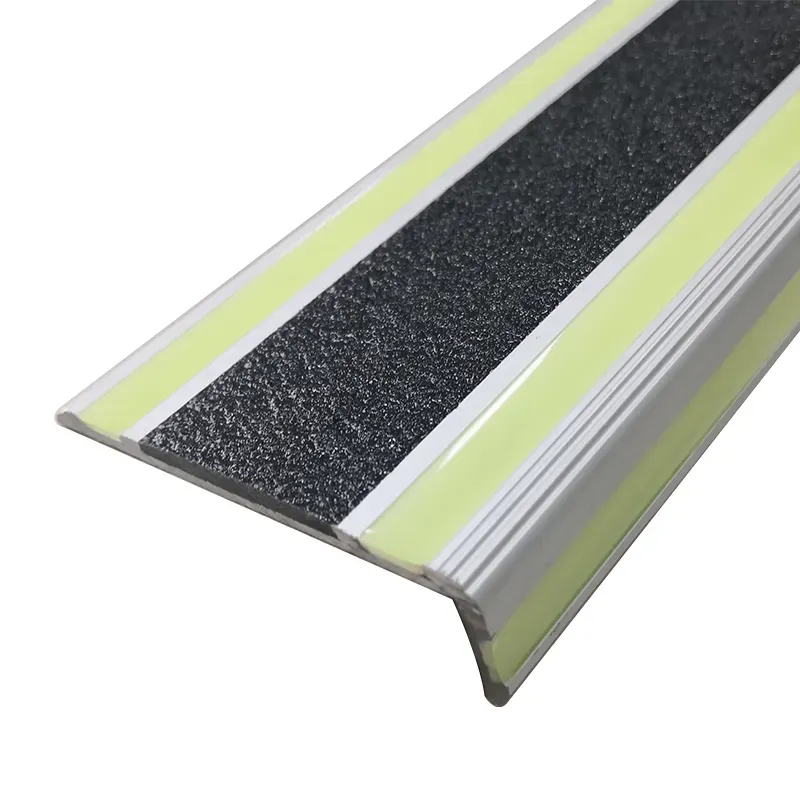
How to Choose the Right Stair Nosing for Your Project
When choosing stair nosing for your project, it’s important to understand the different options available and how they can impact your installation. This guide will help clear up any confusion and provide detailed information on the various types of stair nosing.
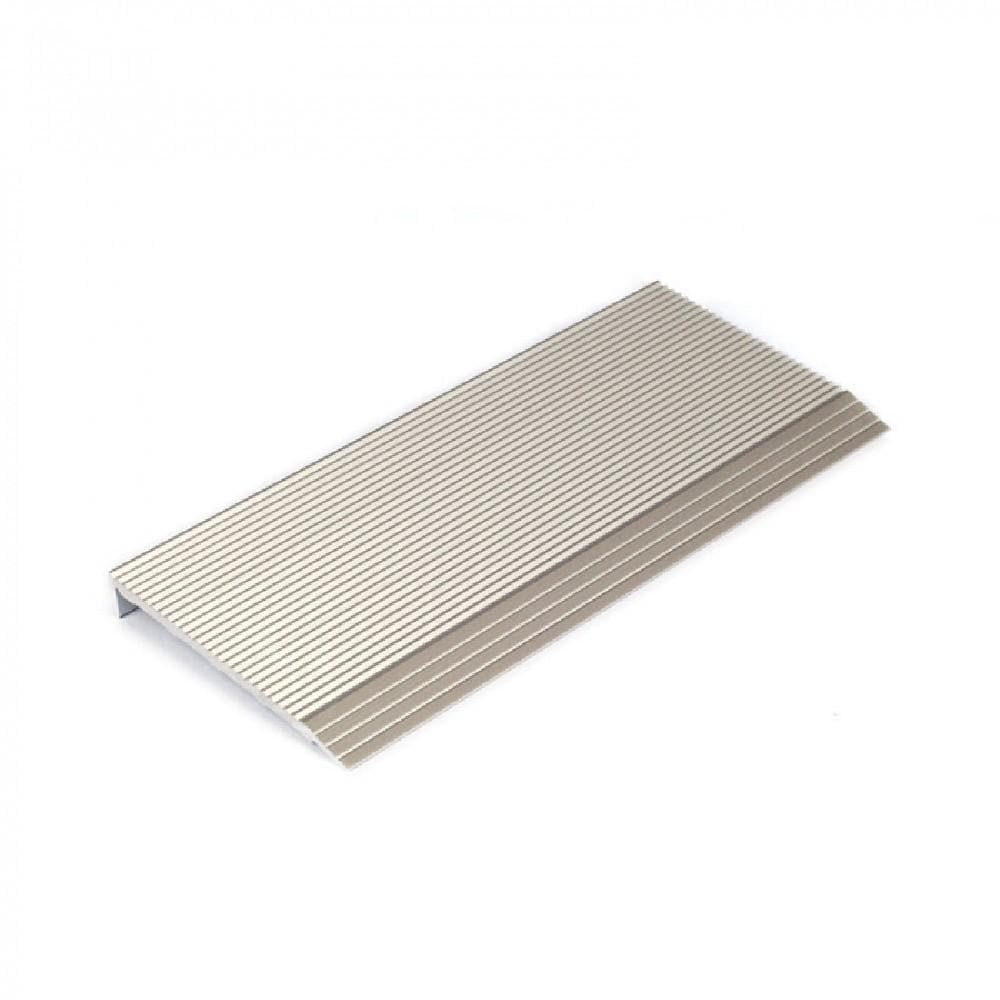
Comparing Rubber, Bronze, Chrome, PVC, and Aluminum Stair Nosings: Common Problems and Solutions
Stair nosing is essential for protecting the edges of stairs and providing a non-slip surface. Different materials like rubber, bronze, chrome, PVC, and aluminum offer various benefits and drawbacks. This article will help you understand common issues with each type, aiding you in making an informed decision for your project.
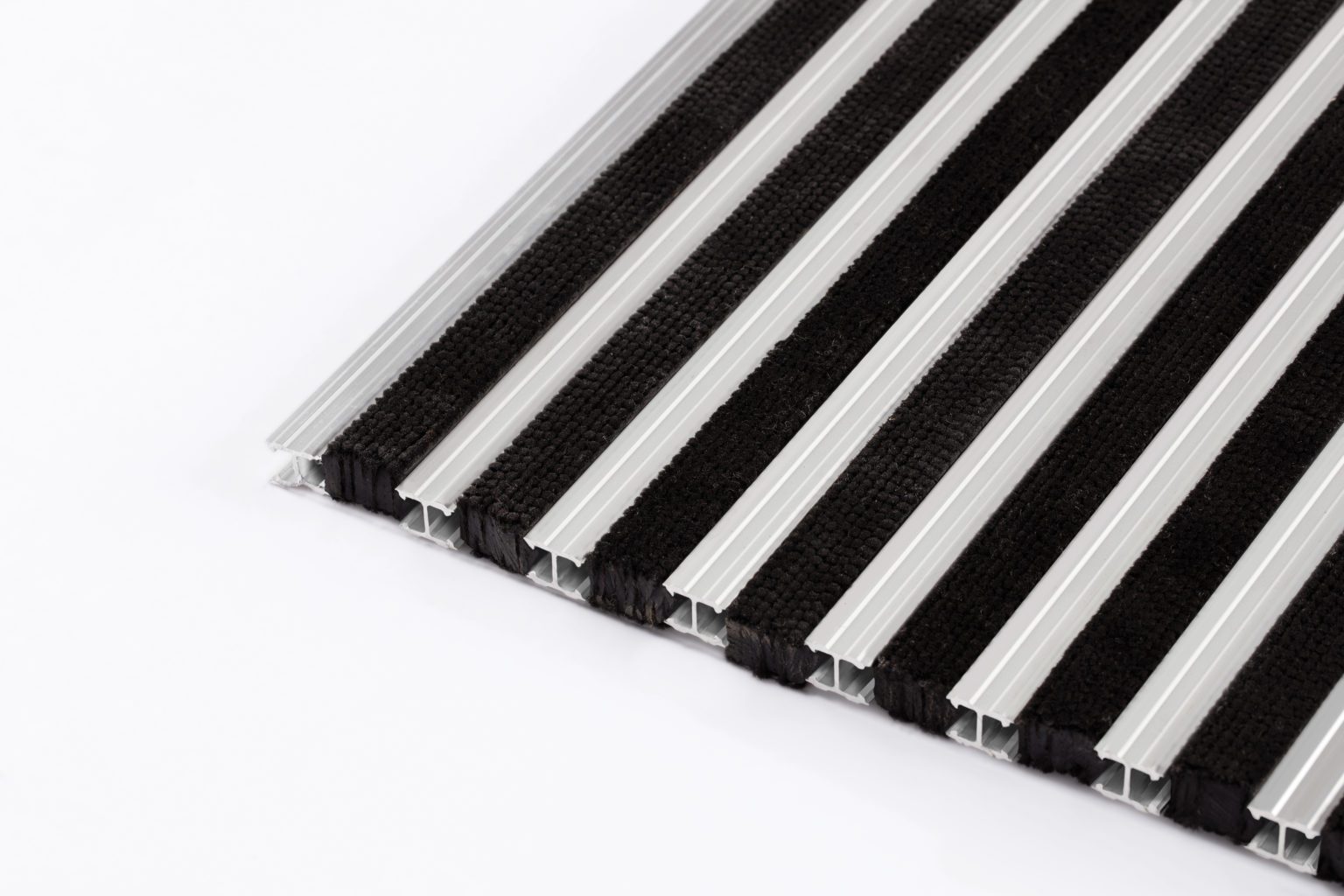
Aluminum Entrance Mattings: New Technologies and Features
Explore the latest innovations in aluminum entrance matting, featuring new materials, designs, smart technology, and sustainable practices. Free samples.