

1. Home
  2. »
  3. AntiSlip Tech Blog
  4. »
  5. Tactile Indicators Development in Australia

Tactile Indicators Development in Australia

The development of tactile indicators in Australia has evolved significantly over the years, shaped by technological advancements, regulatory requirements.

Table of Contents

Hey everyone! Welcome to Antisliptech.com. Today we will share in detail the history and development of tactile indicators in Australia.

Key Design Principles of Tactile indicators

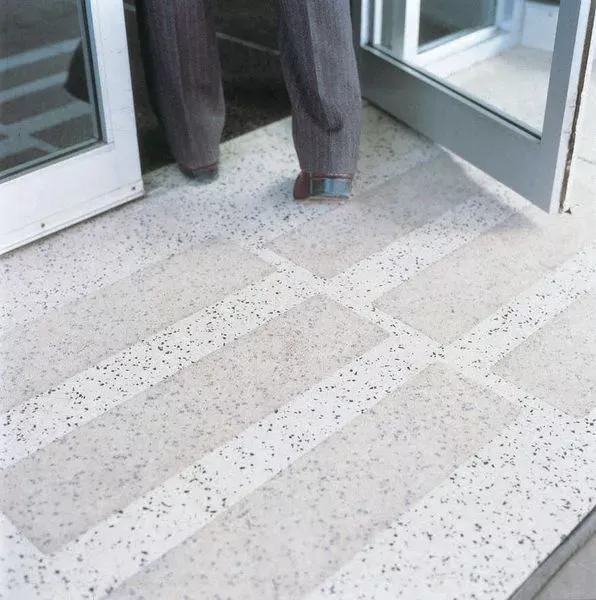
Tactile indicators, also known as Tactile Ground Surface Indicators (TGSIs), are critical elements in urban design that enhance accessibility for individuals with visual impairments. Australia has been at the forefront of incorporating these features into public spaces, demonstrating a commitment to inclusive design. 

The development of tactile indicators in Australia has evolved significantly over the years, shaped by technological advancements, regulatory requirements, and a growing awareness of the need for safer and more navigable environments.

Early Developments (1980s - 1990s)

The introduction of tactile indicators in Australia can be traced back to the late 1980s, inspired by similar systems in Japan and Europe. Initially, tactile indicators were primarily installed at transportation hubs like train stations and bus stops, where the need for safe navigation was most apparent. 

During this period, tactile indicators were seen as experimental rather than a standardized safety feature, with varied designs and materials.

Regulation and Standardization (1990s - 2000s)

The 1990s marked a pivotal turning point for tactile indicators in Australia, driven by advocacy from disability groups and the enactment of the Disability Discrimination Act (DDA) of 1992. This legislation required public spaces to be accessible to everyone, including people with disabilities. 

Consequently, the Australian Standards (AS 1428.4.1) were established, which provided guidelines on the design, installation, and maintenance of TGSIs. This regulatory framework helped standardize the use of tactile indicators across the country, ensuring consistent quality and effectiveness.

Technological Advancements (2000s - 2010s)

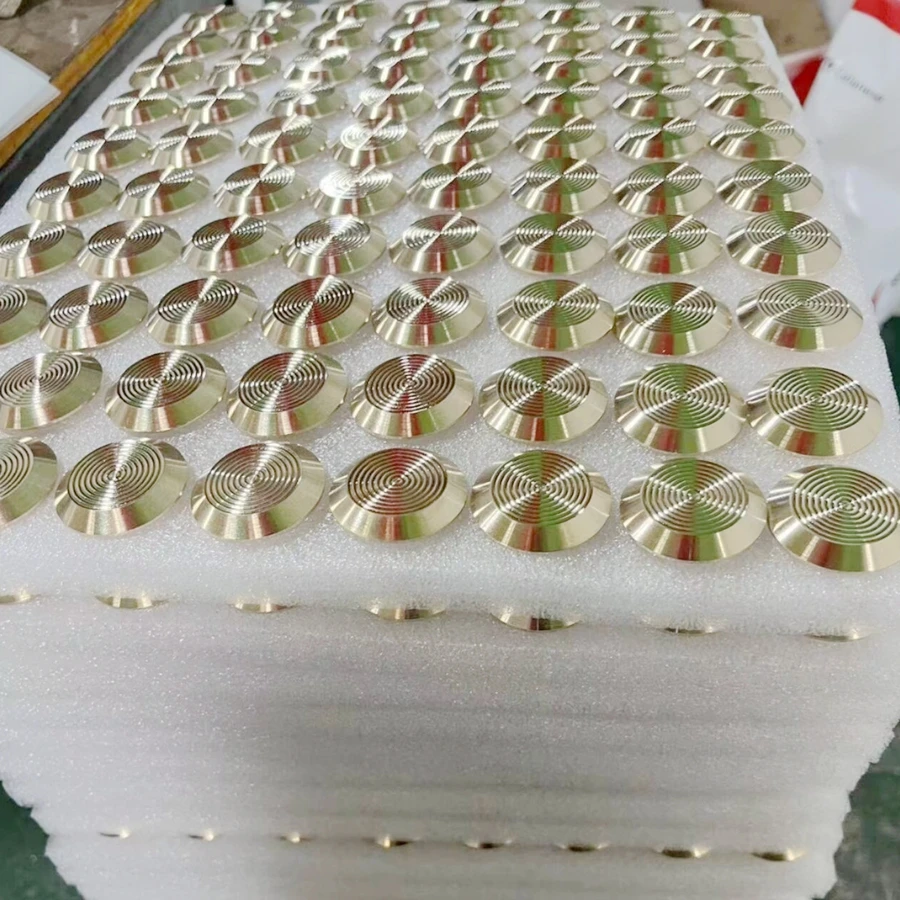
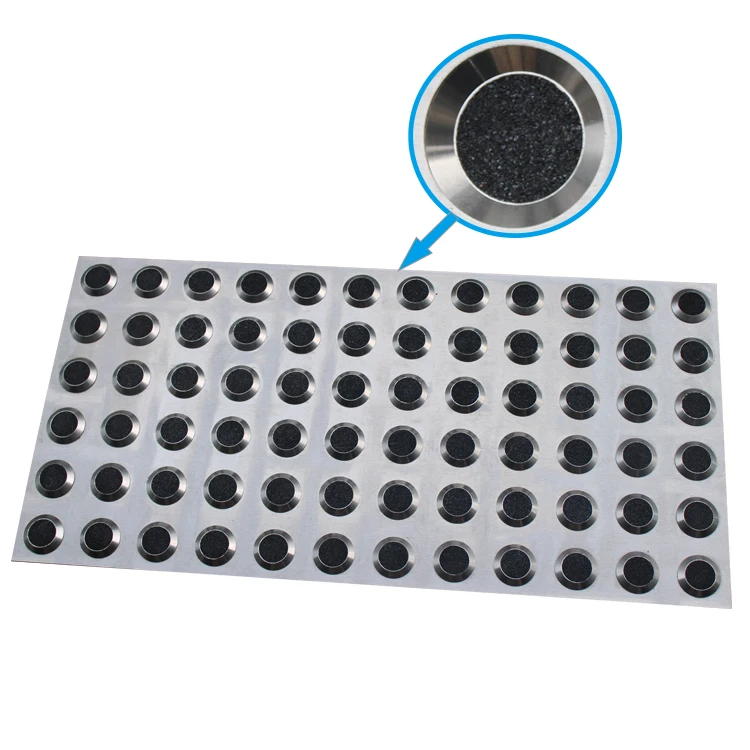
The 2000s witnessed significant technological advancements in the materials and manufacturing processes of tactile indicators. Traditional stainless steel and concrete designs gave way to more durable and versatile materials such as fiberglass, aluminum, and polymer-based options. These innovations not only enhanced the longevity and anti-slip properties of the indicators but also allowed for greater customization in terms of color and design, aiding visibility and compliance with aesthetic considerations in urban planning.

During this time, Australia also adopted a more strategic approach to the placement of tactile indicators, guided by research into human behavior and pedestrian traffic patterns. The introduction of directional and warning indicators helped create a comprehensive guidance system for visually impaired individuals, making it easier to navigate complex environments such as busy intersections and public transit stations.

Tactile indicators

Current Trends and Future Developments (2010s - Present)

Today, the use of tactile indicators in Australia is widespread, with their application extending beyond traditional public spaces to commercial buildings, shopping centers, and private developments. The focus has shifted towards sustainable and environmentally friendly solutions, with manufacturers exploring recycled materials and energy-efficient production methods.

Technological integration is also on the rise, with smart tactile indicators equipped with sensors and interactive features that communicate with mobile devices. These innovations are set to revolutionize how visually impaired individuals interact with their surroundings, providing real-time information about location, potential hazards, and the optimal path of travel.

Conclusion

The history of tactile indicators in Australia reflects a broader societal commitment to inclusivity and safety. From humble beginnings in the late 20th century to the sophisticated systems of today, tactile indicators have evolved into essential components of urban design. As technology continues to advance, the future of tactile indicators in Australia promises to bring even greater accessibility and independence to those who rely on these vital navigation aids.

This evolution highlights not only the importance of tactile indicators in enhancing public safety but also Australia’s role as a leader in developing innovative solutions for accessible urban environments.

Contact Us

Don’t leave safety and compliance to chance. Connect with us today to discover how our tactile indicators can transform your environment into a more accessible and inclusive space. Our expert team is ready to provide tailored solutions that meet your specific needs.

Contact us now to get started!

Tactile indicators

Comments

Tags

Frequently Asked Question

Tactile indicators, also known as Tactile Ground Surface Indicators (TGSIs), are textured surfaces installed on walkways, stairs, and ramps to aid visually impaired individuals in navigating public spaces. They are critical for enhancing safety, guiding pedestrians, and ensuring compliance with accessibility standards.

Tactile indicators were first introduced in Australia in the late 1980s, inspired by similar accessibility measures in Japan and Europe. They initially appeared in transport hubs before becoming more widespread due to evolving regulations and increased awareness.

The primary legislation is the Disability Discrimination Act (DDA) of 1992, which mandates accessible public spaces for individuals with disabilities. The Australian Standards (AS 1428.4.1) outline the specific requirements for the design, installation, and maintenance of tactile indicators.

Initially made from basic materials like concrete and stainless steel, tactile indicators have evolved to include more durable and versatile options such as aluminum, fiberglass, and polymer-based materials. Technological advancements have also improved their anti-slip properties, durability, and customization options.

Great things in business are never done by one person. They’re done by a team of people. We have that dynamic group of peoples